Choosing the right carpet pad is about more than softness; it is a decision that influences comfort, long-term performance, and warranty compliance. When homeowners and designers ask, "why carpet padding matters during installation," they're recognizing that the pad serves as the foundation for how a carpet looks, behaves, and lasts. National Carpet Installation helps you weigh trade-offs so the installed carpet meets your expectations for years, not months.
Comfort is the most immediate difference you notice after installing new carpet. Padding absorbs impact, cushions footsteps, and changes the way fibers spring back after pressure. A thicker, softer pad can make a low-pile carpet feel plusher and more luxurious, while a firm, dense pad will keep a plush carpet from feeling overly squishy. The right balance between thickness and density determines whether the floor feels supportive or unstable underfoot.
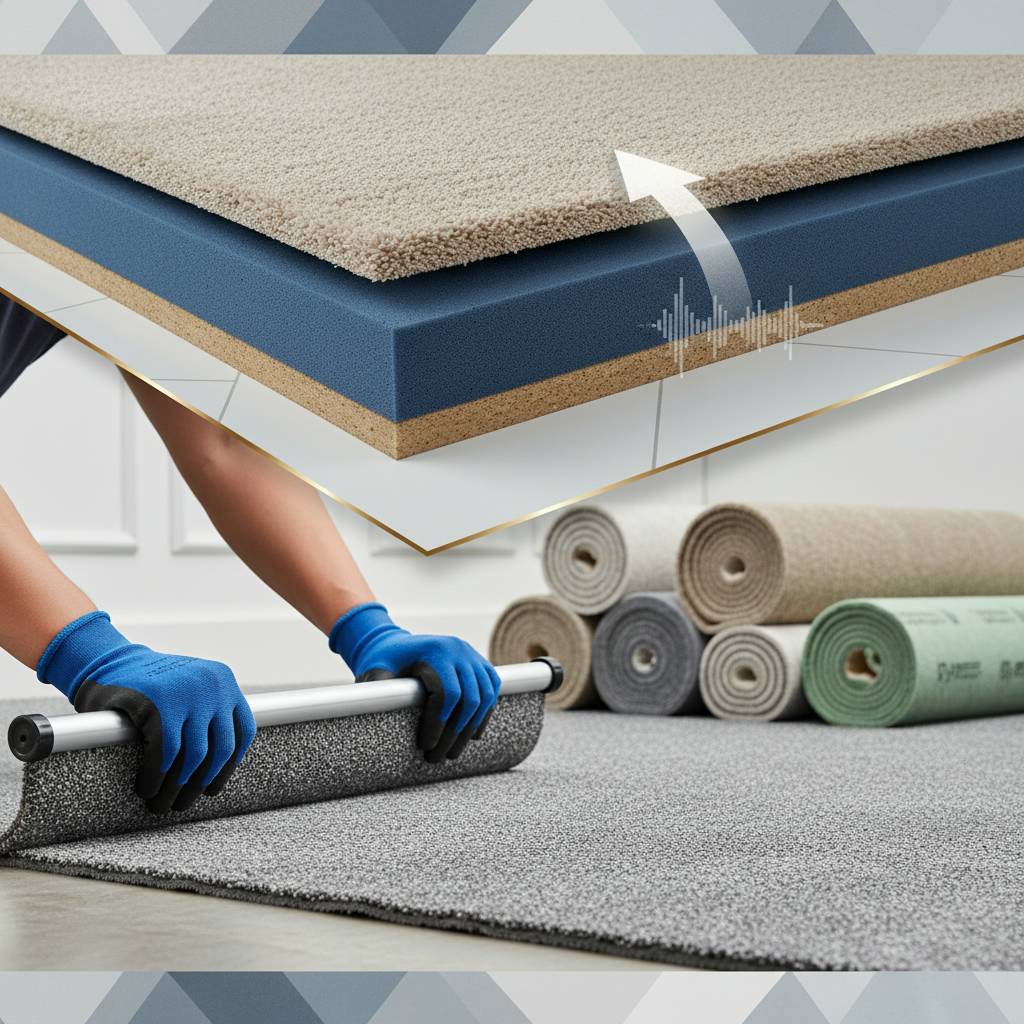
Beyond initial softness, padding affects thermal comfort and acoustic performance. A high-quality pad provides additional insulation that helps maintain room temperature and reduces sound transmission between floors. For homes with active households or multi-story layouts, a pad that combines shock absorption with heat retention will make rooms feel cozier and quieter without compromising the carpet's structural integrity.
Density and thickness are distinct but interrelated properties. Density-often measured in pounds per cubic foot-describes how much material is packed into a given volume and is the key factor for durability and support. Thickness impacts the initial plushness. For most residential applications, a medium-to-high density pad with moderate thickness offers the best long-term comfort without accelerating wear patterns. Professional installers and warranty guidelines frequently recommend specific density thresholds to ensure both comfort and longevity.
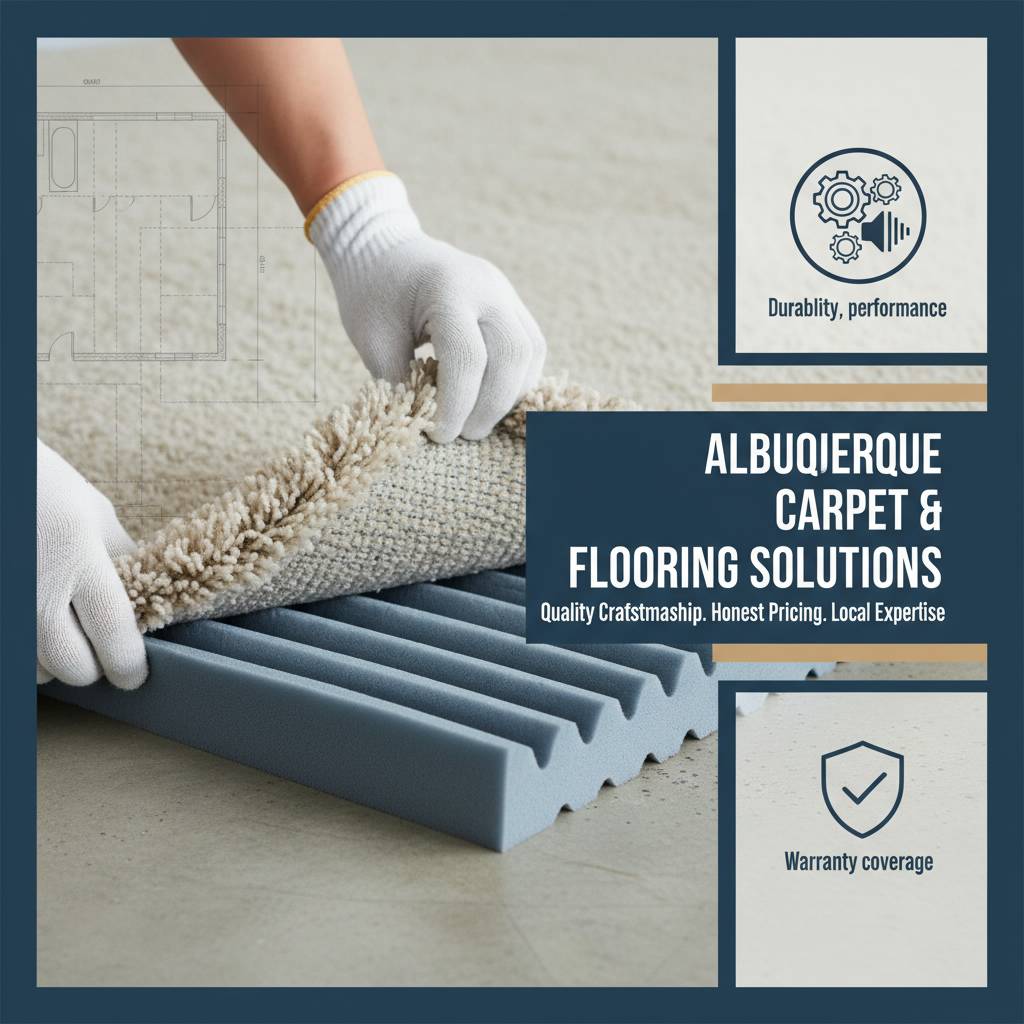 Carpet flooring is only as durable as its weakest layer. A poor-quality pad can compress prematurely, causing the carpet to wear unevenly, show traffic lanes sooner, or lose resilience around furniture indentations. Conversely, the correct pad supports fibers, distributes weight, and reduces abrasion between the backing and the subfloor. This combination delays matting and pile crushing-two common failure modes that lead to premature replacement.
Manufacturers often tie warranty coverage to proper pad selection and installation practices. Using an inadequate pad or ignoring recommended density and thickness levels can void parts of a carpet warranty, especially those covering wear or texture retention. Before installation, it's essential to consult both the carpet manufacturer's specifications and your installer's recommendations to ensure warranty compliance and optimal performance.
There are several common pad materials, each suited to different needs and budgets. Rebond foam, made from recycled scraps, is economical and widely used. Memory foam or high-comfort foams provide luxury cushioning but may compress quicker if density is too low. Rubber pads offer excellent support and longevity for high-traffic areas, and fiber or hair pads excel in breathability and moisture resistance for specific installations. Selecting the right type depends on traffic levels, carpet style, room function, and warranty requirements.
| Pad Type | Advantages | Limitations |
|---|---|---|
| Rebond Foam | Cost-effective, good cushioning, widely available | Can compress over time if low density; varies by quality |
| Prime Foam / Memory Foam | Plush feel, excellent comfort for bedrooms | Higher cost; may not be ideal for heavy traffic without high density |
| Rubber | Durable, stable, resists crushing, good for stairs | Less plush feeling; more expensive up-front |
| Felt/Fiber | Moisture resistant options, breathable, stable | Can be stiff; limited cushioning compared to foam |
Price is a consideration, but it should be evaluated against expected lifespan and the carpet manufacturer's recommendations. Typical installed pad costs vary by material and room size; for whole-room residential installations, you might expect a range near $75-$200 depending on quality and local labor. Investing slightly more in a higher-density pad can yield better wear resistance and protect your carpet investment.
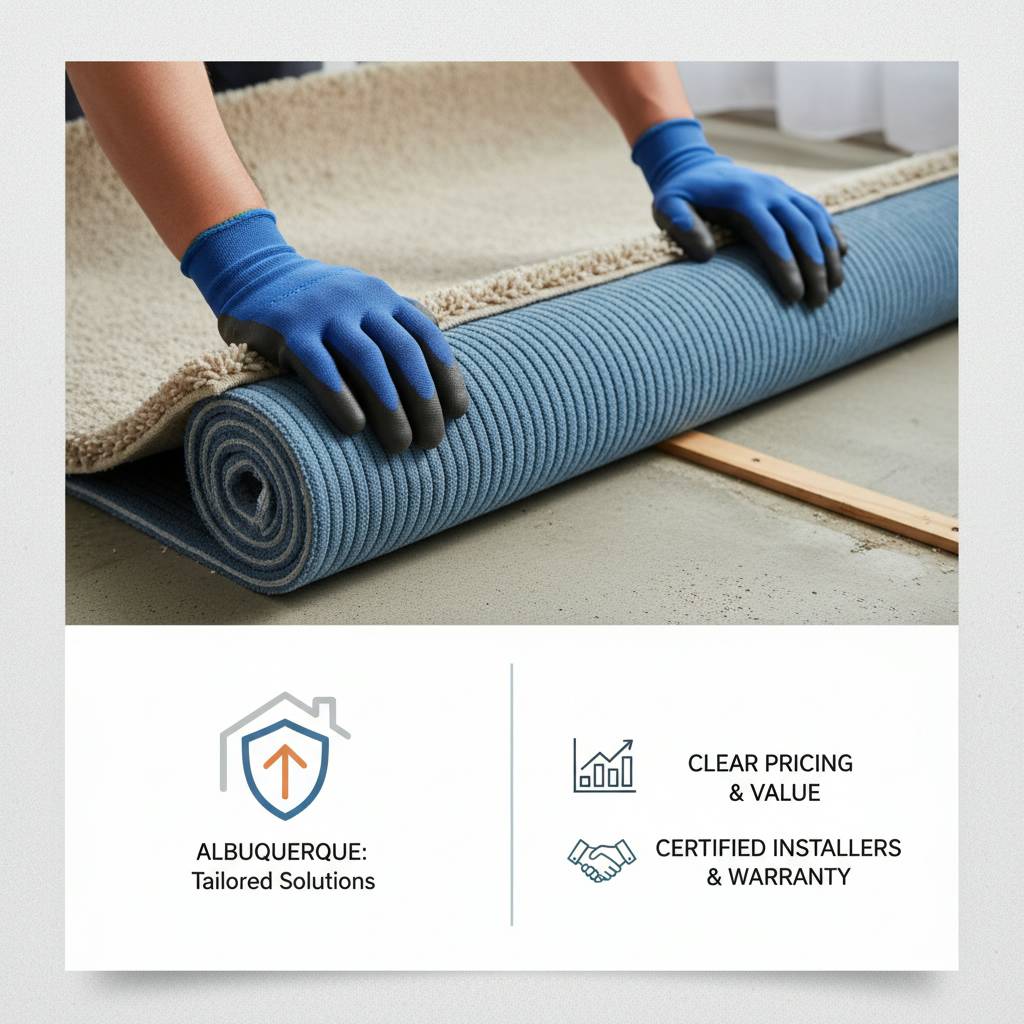 Padding must be installed correctly to perform as intended. Installation issues such as seams in the wrong place, insufficient adhesive, or incorrect pad size can lead to bubbling, wrinkling, or premature separation of carpet backing and pad. A professional installer will assess subfloor flatness, humidity conditions, and traffic patterns, and select the appropriate pad thickness and density. This diligence reduces the risk of warranty disputes and ensures a uniformly comfortable surface.
When planning installation, discuss the following items with your installer: manufacturer recommendations, pad density and thickness, room-specific needs (staircases, basements, high-traffic corridors), and whether an additional moisture barrier or specialty pad is necessary. Professional services from National Carpet Installation include a full inspection and written recommendations that align with warranty requirements. Using a reputable installer reduces the chance of mistakes that shorten the life of the carpet.
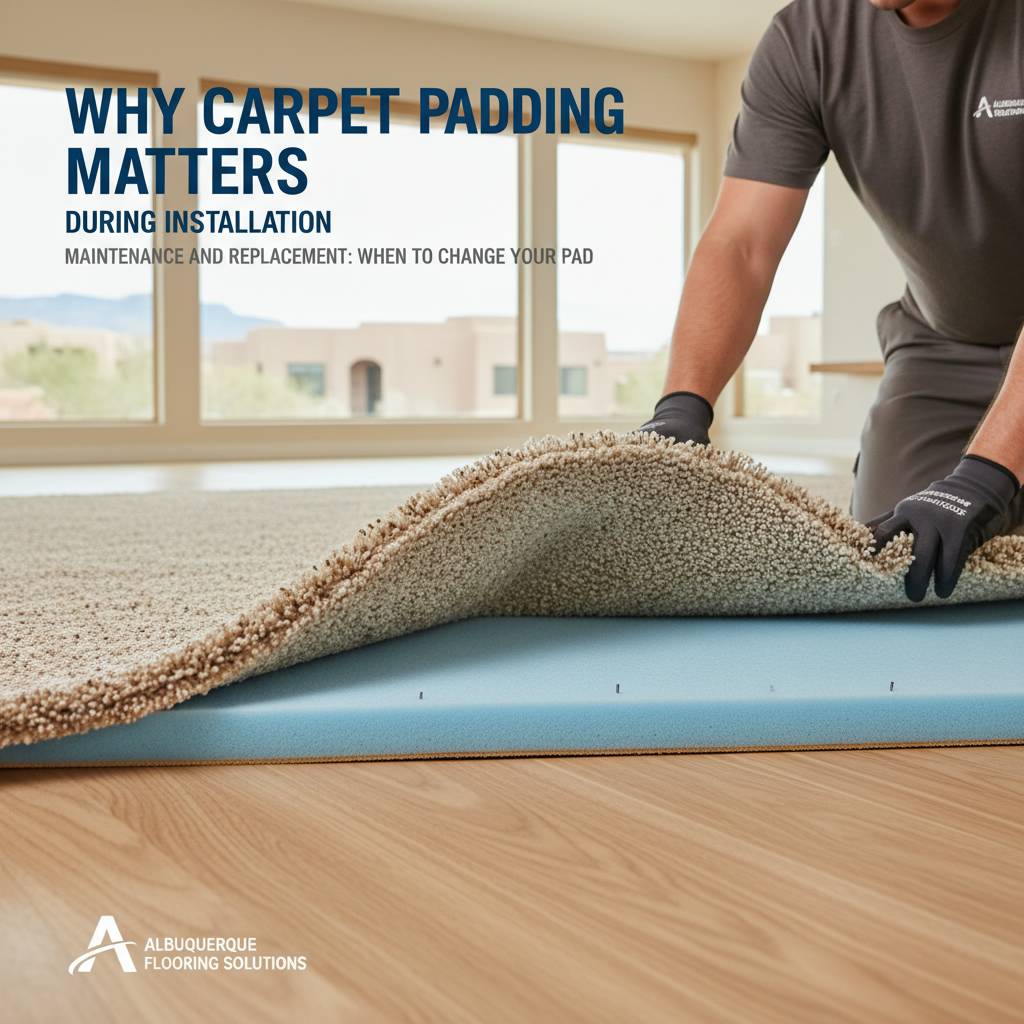 Regular maintenance of both carpet and pad extends service life. Vacuuming, prompt stain treatment, and rotating area rugs help prevent surface damage, but the pad will eventually show age in the form of indentations, loss of resilience, or unevenness. If you notice persistent traffic lanes, a spongy feel underfoot, or a change in how furniture sinks into the floor, those are signs the pad may need replacement even if the carpet still appears acceptable.
Replacing the pad is often recommended during carpet replacement, but in some cases a pad can be preserved when the carpet is being re-stretched or repaired. A professional assessment will indicate whether the pad still meets density requirements and offers adequate support. In older homes, upgrading to a higher-quality pad when replacing worn carpet can improve future durability and make the new carpeting feel noticeably better right away.
 Q: How does pad choice affect warranty coverage? A: Many carpet warranties require a minimum pad density and specific installation methods. Failing to meet these conditions can limit coverage for issues such as tracking, matting, and premature wear. Always check the warranty terms and discuss them with your installer to ensure compliance.
Q: Can I install a thicker pad under any carpet? A: Not always. Excessive pad thickness under certain carpet types can cause instability or pillow effects and may invalidate warranties. Your carpet's manufacturer will recommend maximum thickness. For example, looped or commercial carpets generally require lower thickness and higher density compared to residential plush carpets.
Case study: In one multi-family project, choosing a higher-density rebond pad with a thin rubber underlayer for ground-floor units reduced complaints about cold floors and stair wear. Tenants reported a noticeably quieter and more comfortable experience, and building managers saw less frequent complaints about carpet wear-an outcome that justified the slightly higher initial investment.
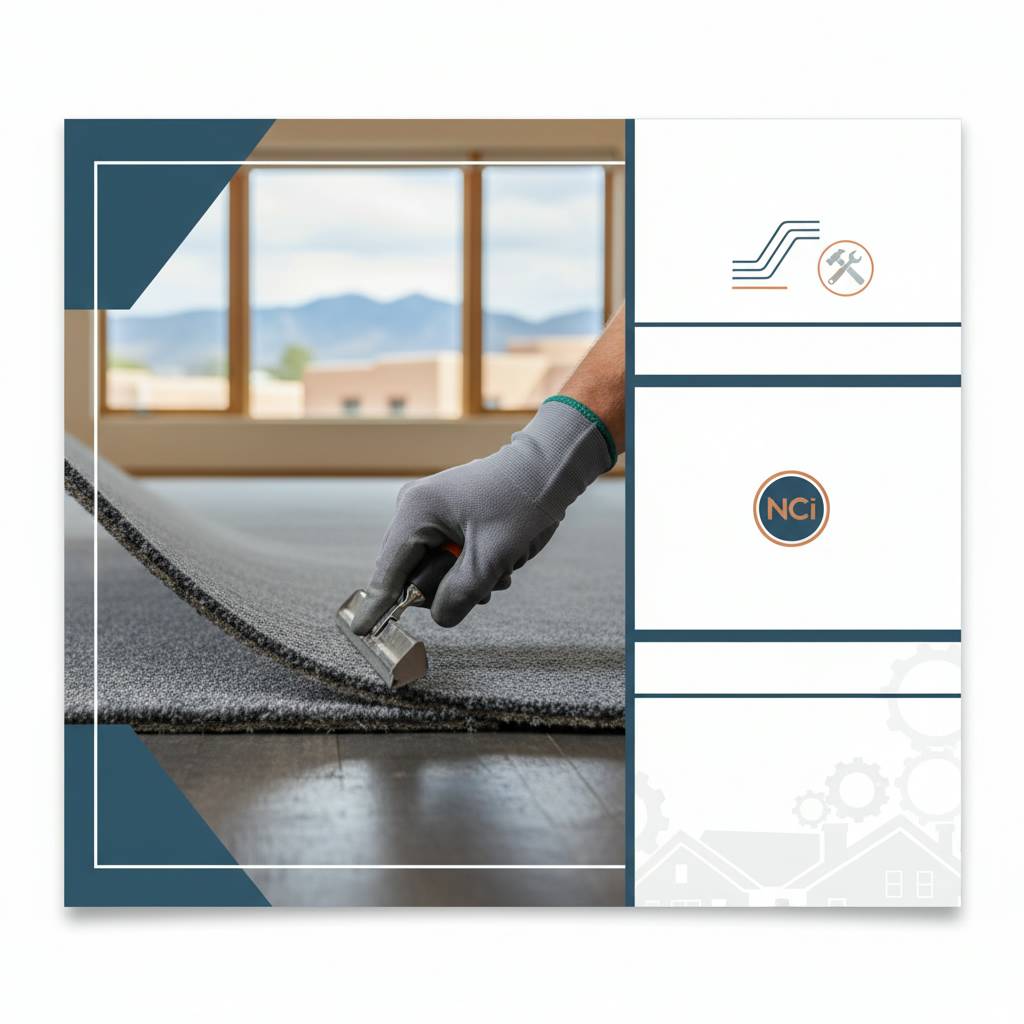 Understanding "why carpet padding matters during installation" is central to getting lasting value from your flooring investment. Selecting the right pad involves balancing comfort, support, durability, moisture considerations, and warranty compliance. A pad that meets or exceeds manufacturer guidelines will help your carpet retain its appearance and structural integrity for far longer than a low-cost, low-density alternative.
National Carpet Installation provides expert assessments, transparent pricing, and professional installation tailored to your home's needs. Whether you are renovating a single room or finishing a whole house, our team evaluates subfloor conditions, recommends suitable pad materials and densities, and installs to manufacturer standards to protect your warranty and ensure long-term satisfaction. Speak with our pros-NCI can provide a quick estimate and on-site recommendation when needed.
Call to action: Ready to upgrade or replace your carpet pad? Call 505-555-7733 to schedule an evaluation and receive a clear, written plan with pricing and timing. We'll explain the trade-offs between comfort and longevity and help you choose a pad that aligns with your lifestyle and budget.
For a free consultation or to learn about current specials, contact National Carpet Installation today at 505-555-7733. Our team will walk you through options, confirm warranty requirements, and provide a professional installation plan so your new carpet performs as intended for years to come.