Carpet stretching is a technical but common task that keeps floor coverings flat, safe, and attractive. When it is done incorrectly-or when stretched carpet relaxes over time-you will notice physical changes that are more than cosmetic. This guide explains the typical signs of improper carpet stretching, why they matter, and what to do next so you can preserve both safety and the lifetime value of your flooring.
We wrote this resource to help homeowners, property managers, and business owners spot problems early and act with confidence. If you prefer, National Carpet Installation can perform an on-site evaluation and provide a clear, written recommendation. Early detection often prevents more costly repairs later, and a brief inspection can make a major difference in safety and appearance.
Throughout this page you will see practical descriptions, simple diagnostic tips you can try yourself, and clear options for repair or replacement. Where useful, we include indicative cost ranges and timelines so you understand what to expect when scheduling a repair with a professional.
Proper stretching ensures the carpet sits flat and taut across the floor surface. That tautness distributes foot traffic evenly, prevents bunching and wrinkles, and keeps seams aligned. When a carpet is stretched correctly, it resists premature wear and maintains visual appeal. A well-stretched carpet is also easier to clean because dust and grit can't lodge in waves or ridges as readily.
By contrast, improperly stretched carpet creates shallow or deep waves, loose edges, and bulges that catch shoes and furniture legs. These conditions accelerate fiber abrasion and backing breakdown, causing permanent damage to the pile and reducing warranty eligibility in many cases. In commercial settings, an untidy floor can also convey poor maintenance and increase liability exposure.
Stretching also affects seam integrity. Seams that are not anchored under proper tension can pull apart or show visible gaps. Once a seam weakens, dirt and moisture penetrate the joint and speed deterioration of the seam tape and adhesive. The cost to repair a failed seam can be higher than timely restretching, making early action cost-effective.
Finally, safety is a core reason to care about stretching. Bulges and ripples become trip hazards, especially for older adults, children, and employees moving heavy objects. Even small ridges create snag points for wheeled equipment. Addressing stretching issues before they cause injury protects people and reduces business or homeowner risk.
 Recognizing the signs of improper carpet stretching is the first step toward correction. Below are the most reliable indicators that a carpet has not been stretched properly or has relaxed since installation. Each sign is described with what it looks like, why it happens, and what to watch for during a quick inspection.
One of the most obvious signs of improper carpet stretching is visible wrinkling or rippling across the surface. These appear as long waves or raised ridges that run parallel or diagonal to the wall. Wrinkles often form where the carpet has lost tension, either from poor initial installation, seasonal humidity changes, or heavy traffic that shifts the backing.
Wrinkles trap dirt and show wear on the ridged areas first. They also make floor cleaners and vacuum heads catch and skip, which reveals the problem quickly. If you can fold or lift a ripple slightly away from the tack strip by hand, it's a clear indicator that restretching is needed to ensure the carpet sits flat again.
Carpet edges should be snug against baseboards and transition strips. If you see gaps between the carpet and the wall, or if the carpet peels off the tack strip when you pull gently, this suggests the carpet is losing its anchoring tension. Loose edges often occur near doorways, on steps, or where furniture sits for long periods.
When the tack strip begins to fail, the carpet can shift incrementally with foot traffic. That progressive movement eventually leads to buckles and exposed seams. A quick check is to inspect transition areas and high-traffic zones: if the carpet moves independently of the floor beneath, it likely needs professional restretching.
Seams that were once tight and invisible may start to separate or show visible gaps. Patterned carpets reveal misalignment quickly when seams pull apart because the pattern no longer matches at the join. Seam issues can be a direct consequence of improper stretching at the time of installation or tension loss over time.
Look closely along joints and corners for small daylight lines or raised seam edges. If the seam tape or adhesive is failing, moisture and dirt get in and accelerate damage. Prompt attention can often rebind seams and restretch the carpet, but long-neglected seams sometimes require partial replacement of the carpet or cushion underlay.
Improper stretching causes uneven wear patterns because areas under tension will see different abrasion levels. You may notice shiny or flattened zones along waves or ridges where foot traffic rubs fibers more intensively. Sudden shading-patches that appear lighter or darker than surrounding areas-can accompany this wear as fibers compress differently.
These visual cues indicate localized stress. While restretching can reverse some alignment issues, once the pile is crushed or the fibers are abraded, appearance restoration may require cleaning or replacement. Early detection is preferable to preserve the carpet's look and value.
When carpet stretching issues go unaddressed, the consequences multiply. Initially cosmetic flaws can evolve into safety hazards and structural damage to the carpet backing and underlying pads. Regularly inspecting for the signs of improper carpet stretching is therefore a low-effort, high-value preventive measure.
From a safety perspective, even a modest ripple can catch a foot and cause a fall. In workplaces, this increases the chance of lost-time incidents and liability claims. In homes, tripping hazards are one of the most common causes of hospital visits for older adults. Repairing wrinkled or buckled carpet reduces these risks immediately.
Appearance suffers too: wrinkles and seams make floors look aged and poorly maintained, which reduces perceived property value. For commercial environments, an untidy floor undermines a professional impression. Preventing premature wear by correcting tension problems preserves carpet warranties and delays the need for costly full replacement.
Longevity also hinges on the cushion beneath the carpet. An improperly stretched carpet flexes and rubs against the pad unevenly, breaking down the pad quicker than normal. Replacing a pad plus carpet can cost substantially more than the corrective action of restretching when problems are small and localized.
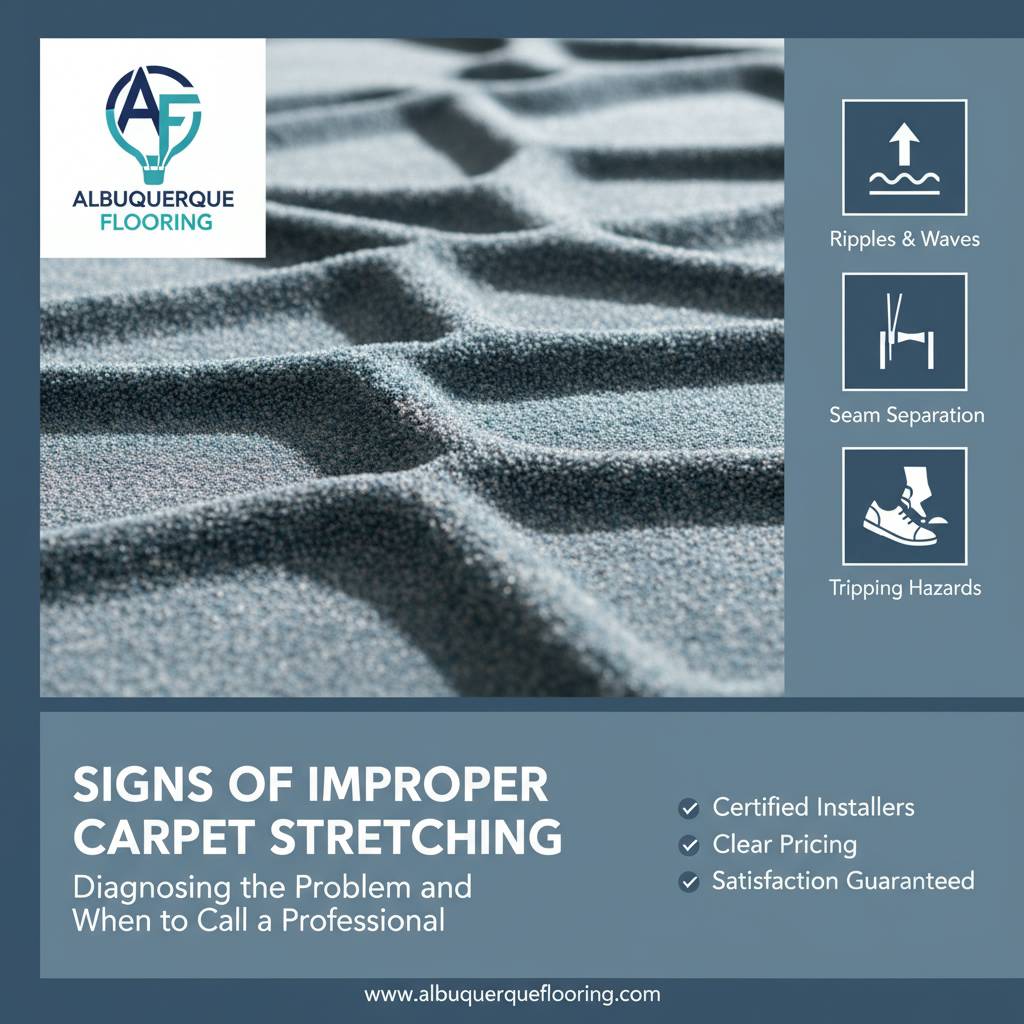 Simple checks you can do yourself include walking the room slowly to feel for ridges, pressing gently near edges to test for tack strip adhesion, and running a vacuum to see if the head snags unexpectedly. If you see visible waves, seam separation, or lifted edges, these are strong signs of improper tension that a professional should evaluate.
Some situations warrant immediate professional attention: trip hazards in high-traffic corridors, seams that show daylight, ripples near stairs, and areas where the carpet detaches from a tack strip. These conditions can pose imminent risk and should not be left to DIY fixes unless you have proper tools and experience.
When you call a technician, they will typically assess the carpet condition, the condition of the cushion and substrate, and whether seams or edges need repair in addition to restretching. A professional can determine whether a power stretcher is appropriate, whether spot repair is required, or if replacement is the better long-term investment.
Consider creating a short checklist before your appointment so the technician can be efficient: note where ripples appear, estimate how long issues have been present, and list recent events such as furniture moves or water exposure. This context helps National Carpet Installation or any service provider recommend the correct solution quickly.
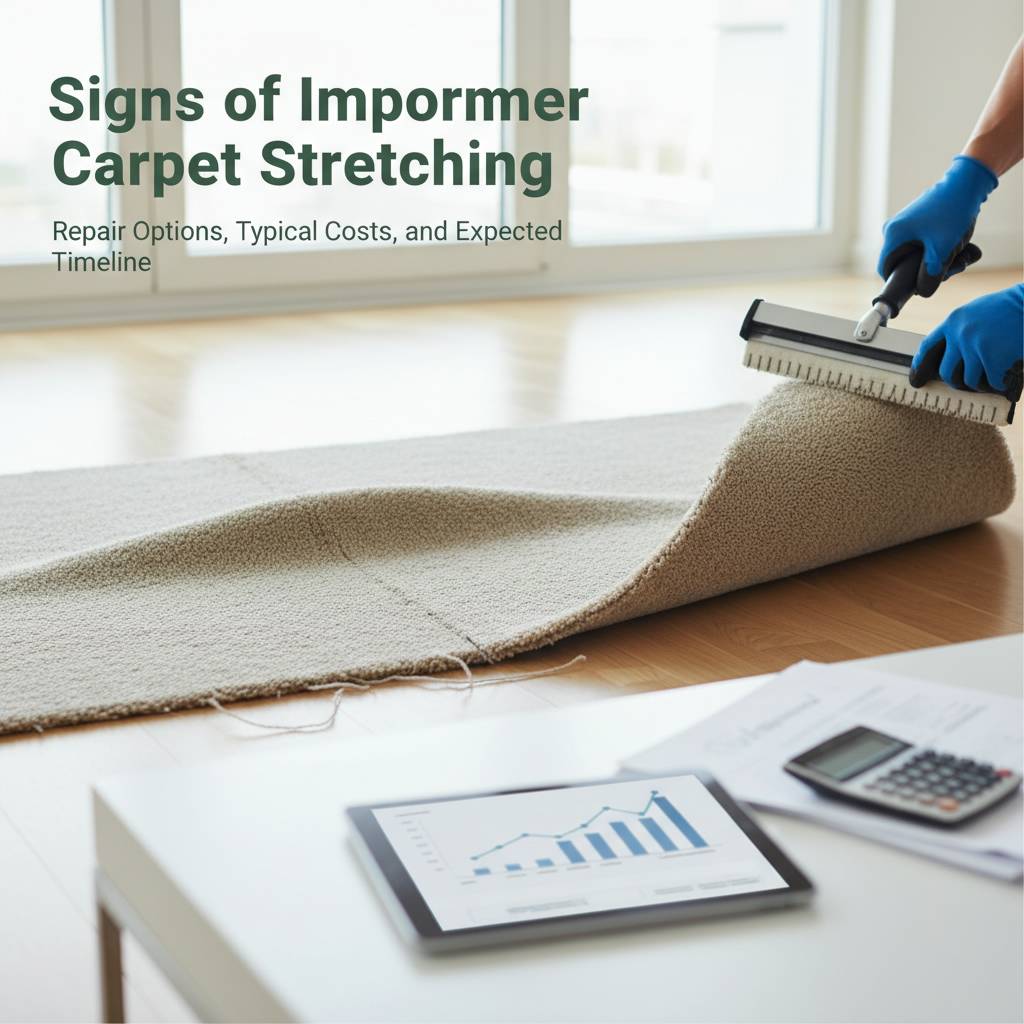 Repair strategies range from light re-stretching in isolated areas to full-room restretching and seam repair. The chosen method depends on the carpet age, the extent of stretching, the condition of the pad, and whether the tack strips and seams are salvageable. Many issues can be resolved in one visit, but extensive damage may require additional work or replacement.
| Repair Type | When Used | Typical Cost Range |
|---|---|---|
| Spot Re-stretching | Localized ripples or ripples near doorways | $75-$200 |
| Full-Room Re-stretching | Multiple waves, seam stress across a room | $150-$450 |
| Seam Repair or Re-tape | Separated seams or misaligned patterns | $100-$300 |
| Pad Replacement Re-stretch | Damaged or compressed padding under carpet | $200-$600 |
| Partial Replacement | Irreversibly crushed pile or extensive wear | Varies by material and area |
These ranges are indicative; exact pricing depends on region, labor rates, travel fees, and the complexity of the job. Many companies offer free inspections and written estimates so you can compare costs before committing. A typical restretch job can take 1-3 hours for an average room, while combined pad replacement may stretch to half a day.
When the technician arrives, they will typically use a power stretcher for full-room jobs and knee kickers for smaller adjustments. Power stretchers create more reliable, long-lasting tension and are the preferred tool for professional results. After re-stretching, seams are checked, and transitions are re-secured to prevent immediate recurrence.
 Good maintenance reduces the chance of future stretching issues. Keep humidity in a moderate range-excessive moisture can relax adhesives and backing materials. Move heavy furniture carefully and use protective pads under legs to prevent concentrated pressure that can deform backing over time.
Rotate heavy furniture placement when possible, and schedule routine inspections in high-traffic zones such as entryways and corridors. Immediate attention to small ripples prevents them from growing into larger buckles. For multi-unit properties, periodic professional evaluations can identify traction points before visible damage develops.
When cleaning, avoid overly aggressive extraction settings that can push water deep into seams and backing layers. Use recommended cleaning methods for your carpet type. After spills, dry the area promptly; trapped moisture accelerates pad and backing deterioration, weakening the hold your tack strips provide.
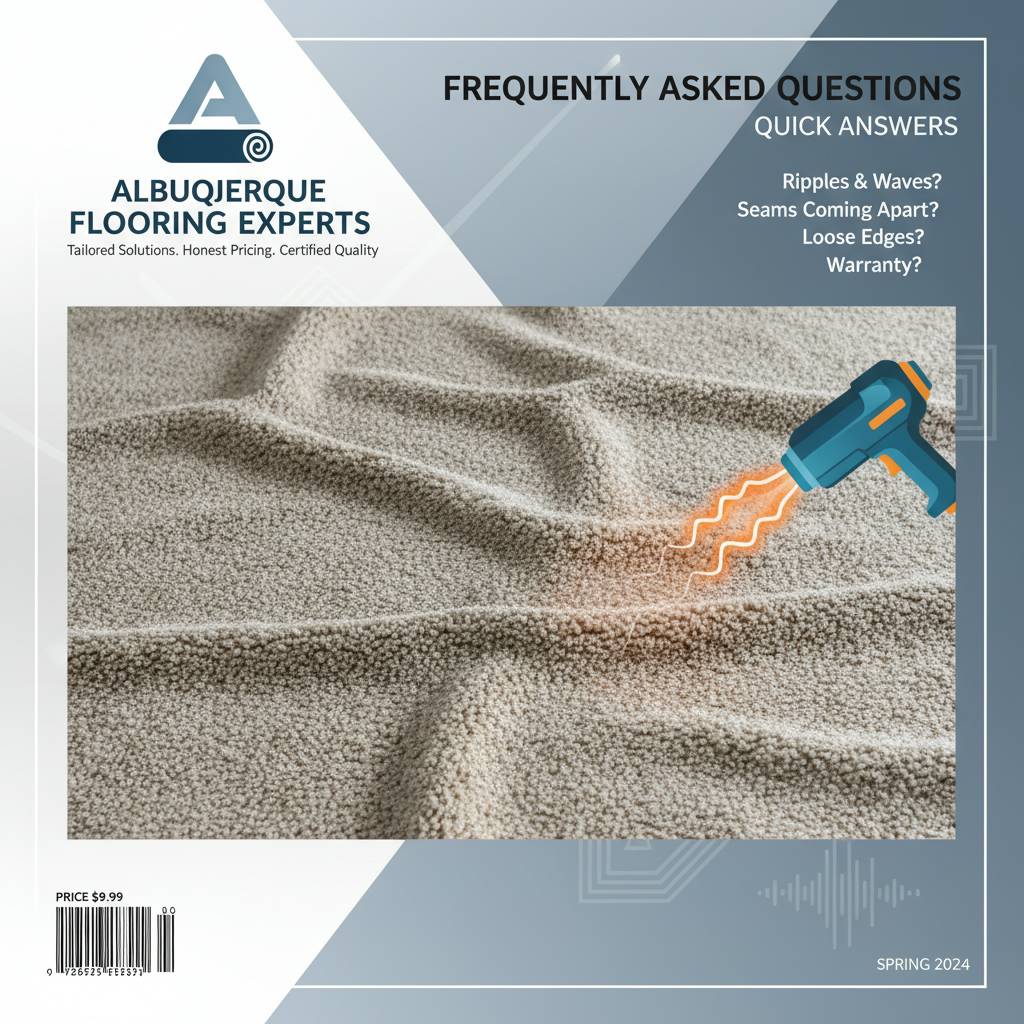
If you recognize any of the signs of improper carpet stretching in your home or business, taking prompt action saves money and reduces risk. A short inspection will clarify whether restretching, seam repair, pad replacement, or a combination is the right path. National Carpet Installation offers thorough evaluations and clear recommendations tailored to your situation.
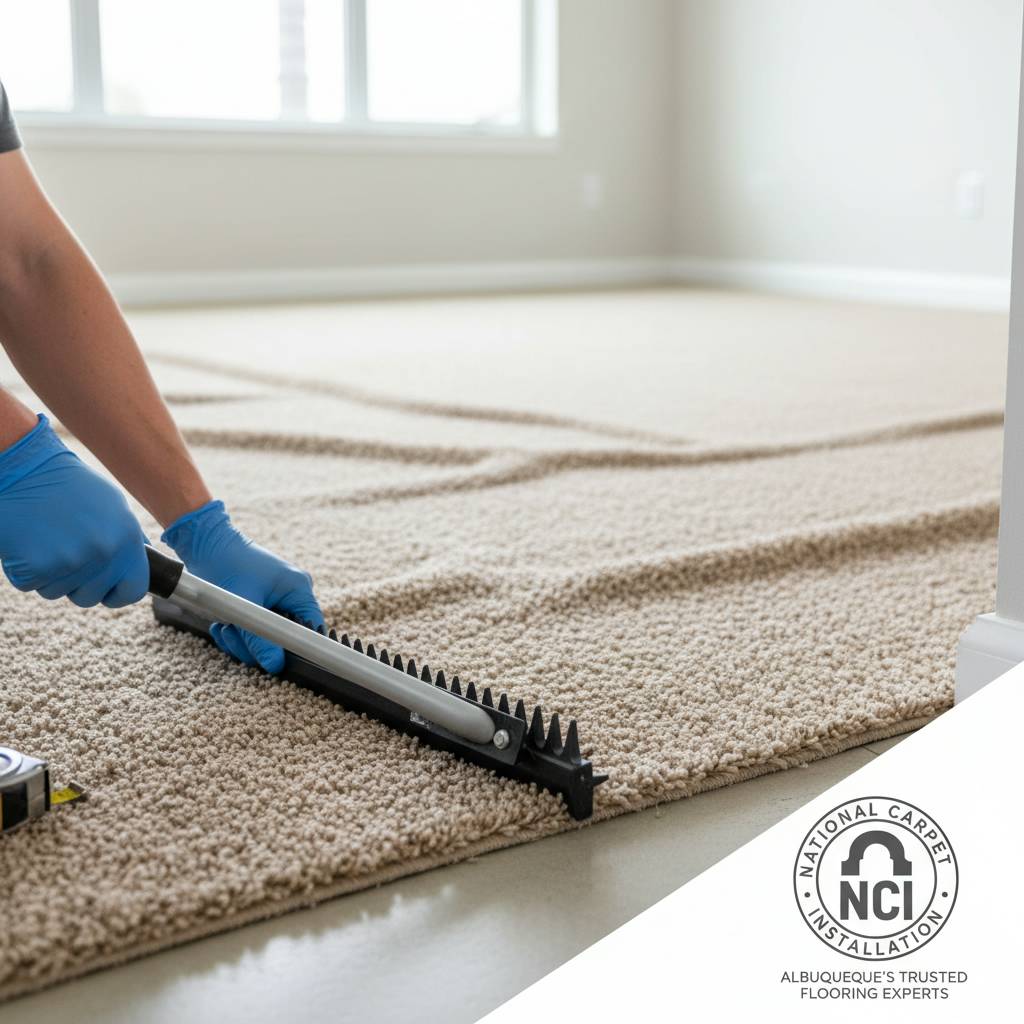
For a convenient, no-pressure inspection, call us to schedule a visit. Our technicians will outline the scope of work, provide an itemized estimate, and explain the timeline and warranties attached to the repair. In many cases, technicians can complete the job during the same visit, restoring the floor's safety and appearance quickly.
To arrange a professional assessment or to ask a question about a specific symptom you've noticed, contact National Carpet Installation today at 505-555-7733. We are ready to help you identify the signs of improper carpet stretching and recommend corrective measures that restore both safety and curb appeal.
Contact National Carpet Installation at 505-555-7733 to schedule an inspection and get a clear plan to fix wrinkles, ripples, and other stretching-related issues.