When you're planning a carpet installation, the difference between an OK outcome and a job that lasts for years often comes down to the installer you choose. Asking the right questions reveals an installer's expertise and reliability, and helps you avoid surprises on price, timing, and long-term performance. At National Carpet Installation, we welcome transparency and will answer your concerns fully during consultations. If you want to talk through your project today, call us at 505-555-7733 to set an appointment.
Homeowners who feel confident about their installer tend to get better results: fewer callbacks, cleaner installations, and carpets that wear more evenly. This guide gives you the core questions to ask a carpet installer, explains why those questions matter, and offers practical tips for evaluating answers. Whether you're replacing worn flooring or installing carpet in a new area, a thoughtful line of questioning will protect your investment and give you peace of mind.
Price is important, but it doesn't tell the whole story. Two installers might give similar estimates but have very different approaches to prep work, seam placement, or the type of padding they recommend. Asking targeted questions uncovers those differences so you can compare bids on a like-for-like basis. It also reveals professionalism: clear, specific answers usually indicate experience and confidence, while vague responses can be a red flag.
Good questions also create accountability. When you document an installer's answers about warranty coverage, timeline, and materials, you have written expectations to refer to if anything goes wrong. This reduces the likelihood of misunderstandings later and makes it easier to resolve issues promptly. If an installer resists giving details or refuses to put commitments in writing, that alone is a meaningful response to consider when hiring.
 Start with credentials and background because these answers establish a baseline of trust. Ask how long they have been installing carpet, whether they have specific training or certifications, and which local references you can contact. Experienced installers will often be able to point to completed projects similar to yours and will offer references with minimal hesitation. If an installer is new but works with a reputable company, ask about supervision and warranty handling.
Licensing and insurance are essential questions. Request proof of general liability insurance and worker's compensation coverage, and confirm that their license is current if your state or municipality requires one. An installer who cannot provide verifiable insurance or who claims to "just use a general contractor" is a risk: you could be liable for damages or injuries during the job. Make sure all documentation is provided before work begins.
Reputation also matters. Look for online reviews but use them as context rather than the sole deciding factor. Ask the installer about any complaints they've received and how they resolved them. Honest installers will discuss past issues candidly and describe the steps they took to make things right. That kind of transparency is a practical indicator of reliability.
Below is a focused checklist that you can use during calls or in-person consultations. These questions are designed to reveal the installer's methods, materials, and business practices so you can compare proposals accurately.
Use this list as a script if needed. It's helpful to take notes and compare answers side-by-side for each installer you interview. When answers are written down, you can more easily see where bids differ because of material choices versus workmanship or added services.
 Installation quality depends on a combination of correct techniques and the right materials. Ask what type of padding they will use and why. Padding affects comfort, wear, and thermal performance; inexpensive padding can reduce the life of an otherwise high-quality carpet. Good installers will recommend specific densities and thicknesses based on your carpet's pile height and expected foot traffic.
Seaming, tack strip placement, and subfloor preparation are technical topics that separate amateur jobs from professional ones. Ask where seams will fall and whether they can be minimized in high-traffic or visually prominent areas. A knowledgeable installer will explain how they place seams to reduce visibility and will use quality seam tape and heat-sealing techniques when appropriate.
Discuss transitional elements like thresholds, stair nosing, and transitions to other flooring types. These often determine how "finished" an installation looks. Ask what materials and finishes they'll use at transitions and how they will secure carpet on stairs to prevent slipping and premature wear. If you have pets or heavy furniture, ask about recommended fasteners and reinforcement techniques.
 When you receive an estimate, make sure it's detailed. A complete estimate will list labor, materials (including padding), removal or disposal fees, and any additional charges for stairs, stair caps, or furniture moving. Ask the installer to explain each line item so you know what is and isn't included. This helps avoid surprise charges on the final invoice.
Ask how they calculate labor-per room, per linear foot, or by the hour-and whether there are minimum charges. For common add-ons, request typical price ranges so you can anticipate cost if issues arise. For example, carpet removal and disposal might be $75-$200 depending on the size and difficulty. Make sure the estimate states whether the company charges any travel or trip fees.
Payment terms and schedule are also important. Ask what deposit is required and when the balance is due. Many reputable installers require a modest deposit with payment due on completion, while others may ask for staged payments on larger jobs. Request a written invoice and contract that specify timelines, materials, and warranty coverage before you sign anything.
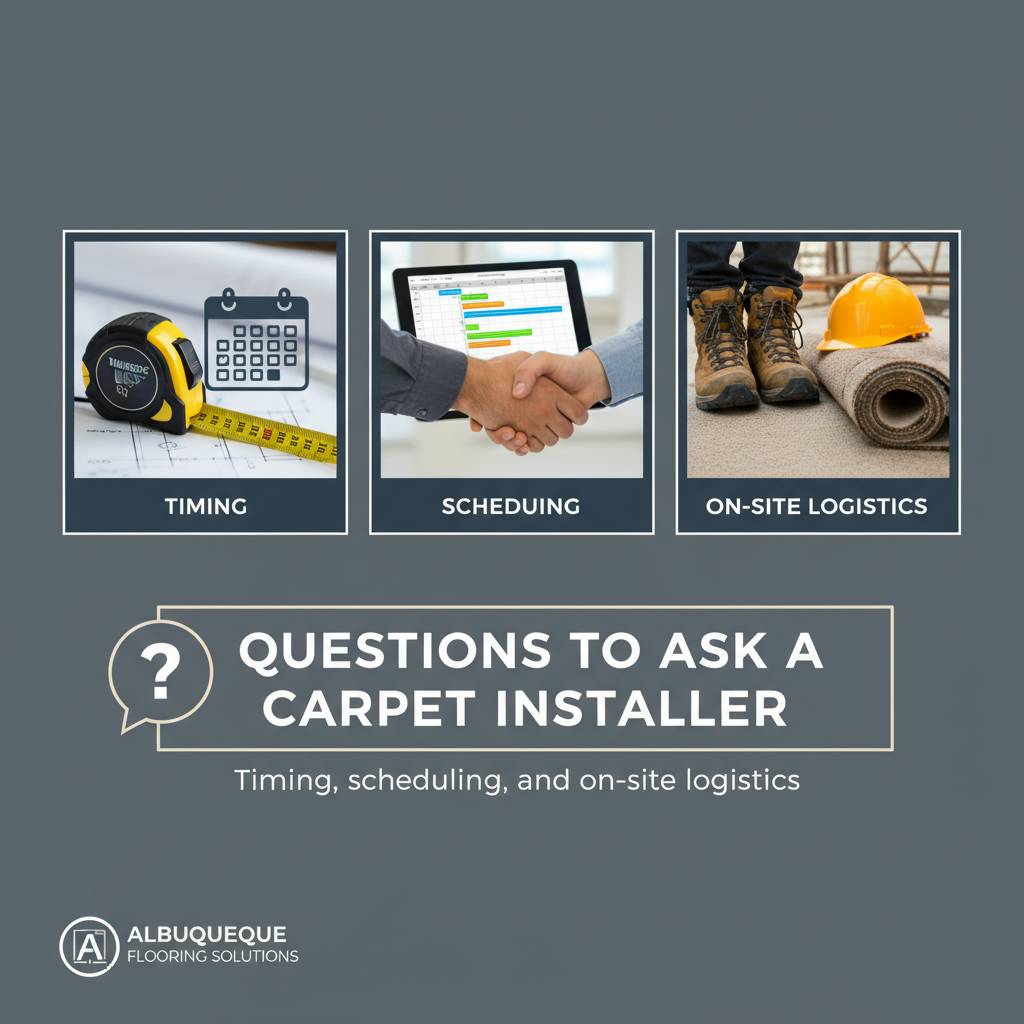 Clear expectations about timing reduce stress. Ask how soon they can start, how long the installation will take, and what work hours you can expect. Keep in mind that unexpected subfloor repairs, additional seam work, or run-ins with underlying issues can extend timelines. A good installer will build a reasonable buffer into their schedule and communicate promptly if delays occur.
Discuss access and preparation. Will the crew need you to clear rooms in advance, or will they move furniture for an additional fee? If children or pets are in the home, ask about safety procedures and how they protect floors and walls during the process. If the project involves stairs, confirm whether additional crew members are required and whether that affects cost and timing.
Cleanup and inspection are part of the final quality assessment. Ask whether they sweep and vacuum after installation and how they handle adhesive or staple residue. A professional team will perform a final walk-through with you to identify any concerns before they leave and will explain maintenance tips for your new carpet.
 Warranties can be confusing because there are manufacturer warranties and labor warranties separately. Ask the installer to explain both: what the manufacturer covers, for how long, and what conditions might void the warranty, and what the installer's labor warranty covers. Ask how claims are processed and whether the installer will coordinate with the manufacturer if a defect appears.
Routine maintenance recommendations should be part of the conversation. Ask about recommended vacuuming frequency, stain-treatment products to avoid, and whether professional cleaning is suggested annually or every few years. If you have high-traffic areas, children, pets, or allergies, ask about stain- and soil-resistant treatments and whether they affect the original warranty.
Get clear instructions on what to do if you notice issues after installation. Ask whether small adjustments or corrections are handled at no cost within a certain timeframe. A reliable installer will clearly state a window-often 30-90 days-during which they will return to address seam lifts, ripples, or minor fitting issues at no additional charge.
Not every homeowner speaks installer, so here's a quick guide to reading answers. Look for specifics: an installer who cites exact padding densities, seam tape types, or expected heat-welding methods is signaling technical competence. Avoid installers who respond with generalities like "we use good stuff" without naming brands or types. That vagueness is usually a sign you'll need to ask follow-ups to get clear commitments.

Watch for red flags such as refusal to provide references, lack of proof of insurance, or a demand for an unusually large upfront payment. While a modest deposit is normal, an insistence on full payment before work begins reduces your leverage if problems occur. Also be wary if the price is significantly lower than all other bids without a clear reason; very low bids often mean corners will be cut.
Trust your instincts during on-site meetings. Professionalism shows up in punctuality, cleanliness, and the way installers treat your home. If someone arrives with damaged equipment, sloppy clothing, or demonstrates poor communication, that mirrors how they may manage the job itself. Conversely, organized crews that provide written checklists and contract details usually do a more consistent job.
 Consider a typical scenario: a homeowner needed new carpet in a family room and received three bids. One bidder quoted the lowest price but did not include padding in the estimate and could not provide references. The second included padding and a two-year labor warranty but planned seams across the center of the room. The third-an installer with solid references-offered a clear estimate, recommended higher-density padding, explained seam placement to minimize visibility, and included a 90-day labor warranty. The homeowner chose the third option and experienced better wear and fewer issues over three years.
This example highlights common concerns: hidden fees, inadequate padding, and poor seam placement. Asking the right questions helped the homeowner identify the bidder most likely to deliver a durable result, not just the lowest initial price. If you want similar guidance tailored to your home, National Carpet Installation can walk through options and show you sample installations that reflect these best practices.
Before signing a contract, make sure you have the following in writing: a detailed scope of work, materials and padding specifications, clear pricing and payment schedule, start and completion dates, and warranty details. Verify insurance and ask for references. If anything is unclear, ask follow-up questions until you understand the specifics-this protects you and makes the project run smoother.
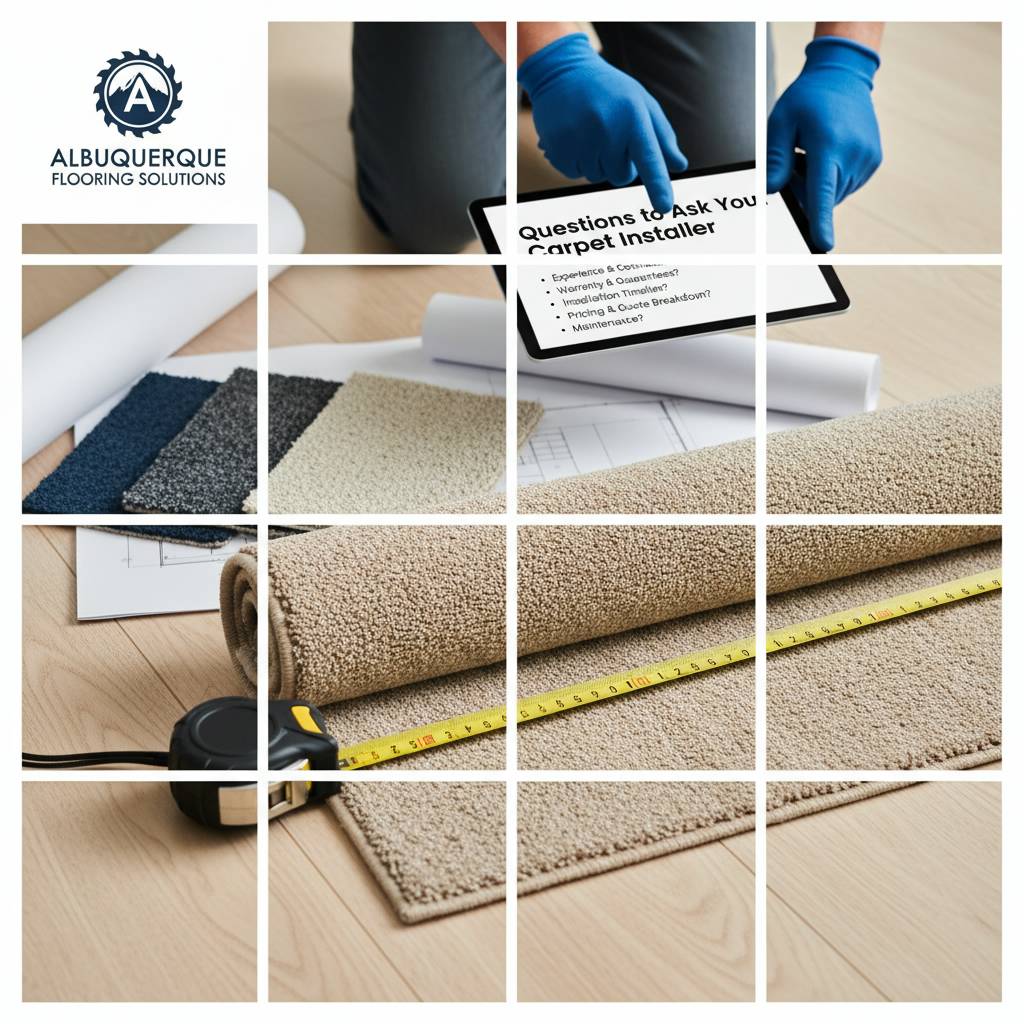
Ready to get a clear, written estimate and answers to all your questions? Contact National Carpet Installation to schedule a consultation. We'll walk every step of the process with you and provide straightforward answers to the most important questions to ask a carpet installer.
505-555-7733
We welcome your questions and are happy to provide references, documentation, and on-site evaluations. Call National Carpet Installation at 505-555-7733 to set an appointment or to request a written estimate. Hiring with confidence starts by asking the right questions-we look forward to helping you make the best choice for your home.