Manufacturer warranty requirements for professional installation can seem complex, but understanding them is essential to protecting your investment in new flooring, countertops, or other building products. National Carpet Installation follows manufacturer guidelines and documents work to support warranty claims. This page explains common conditions, documents the steps installers take to meet them, and outlines practical actions you can take as a homeowner or building manager to avoid voiding coverage.
Throughout this guide you will find clear examples, an outline of typical exclusions, and recommended documentation practices that manufacturers look for when a claim is submitted. Whether you are replacing a single room floor or outfitting an entire property, knowing what manufacturers expect-and how National Carpet Installation meets those expectations-reduces the risk of denied warranty claims and unexpected costs down the line.
Manufacturers set installation standards because product performance and longevity depend heavily on correct installation. Many problems attributed to product defects are actually the result of improper substrate preparation, incorrect acclimation, or poor fastening and seaming techniques. Requiring professional installation helps manufacturers limit warranty claims to genuine defects in materials or manufacturing, rather than errors introduced during installation.
Professional installers bring trained judgment, calibrated tools, and quality control processes that align with the manufacturer's instructions. They also document conditions before, during, and after installation-photos, moisture tests, and signed checklists-which create a verifiable record. Manufacturers commonly require that installers be certified or that specific procedures be followed; meeting these requirements preserves coverage and usually results in a better-performing finished product.
 Most manufacturer warranties state explicit requirements that must be satisfied for the warranty to apply. Typical conditions include proper acclimation of materials, installation over approved substrates, use of specified adhesives or fasteners, adherence to recommended temperature and humidity ranges, and completion by a licensed or certified professional. Warranties often include time limits, start dates tied to the installation date, and steps for processing claims.
Common exclusions that can void a warranty include visible damage not reported within a prescribed time window, failure to follow maintenance guidelines, water or moisture damage from sources other than a manufacturing defect, damage from heavy impacts or misuse, and unauthorized alterations. Additionally, many warranties exclude coverage if the installer did not follow the manufacturer's installation instructions or if the installer is not listed as an approved or certified contractor.
Meeting manufacturer warranty requirements for professional installation begins before the first piece of material arrives on site. Pre-installation planning typically includes verifying the subfloor or substrate is structurally sound, flat within tolerance, and free from contaminants. Proper moisture readings should be recorded using manufacturer-approved test methods such as calcium chloride tests, relative humidity probes, or in-situ moisture meters specified by the product supplier.
During installation, installers follow the manufacturer's step-by-step procedures: acclimating the materials to jobsite conditions for the specified period, using approved adhesives and fasteners, maintaining recommended ambient conditions, and executing seams and transitions according to the technical manual. Attention to these details prevents common problems like cupping, gapping, adhesive failure, or staining. Professional installers also manage waste, clean surfaces appropriately, and avoid shortcuts that compromise the warranty.
Documentation is as important as technique. Manufacturers expect documented proof that procedures were followed. Typical documentation includes signed installation checklists, purchase invoices, installers' certifications, lab-style moisture test results, digital photos taken at key stages, and, when applicable, invoices for approved materials like adhesives. Providing a full installation record streamlines any future warranty claim and demonstrates that the issue is likely a manufacturing defect rather than an installation error.
 Owners and installers can work together to prevent warranty disputes. Owners should retain purchase receipts and the manufacturer's warranty documentation, and they should require a pre-installation walkthrough with the installer to discuss site conditions. Asking about the installer's certification and experience with the specific product is reasonable; certification often means the installer has completed manufacturer-led training sessions and understands the nuance of the product.
Installers should present a clear plan that includes acclimation times, moisture testing protocols, substrate remediation steps, and a timeline that avoids rushed work. If any conditions on site do not meet manufacturer requirements, installers should document the exception and obtain written approval from the manufacturer before proceeding. A project where the installer refuses to proceed without approval is preferable to a rushed installation that later invalidates the warranty.
Maintaining communication after installation is also valuable. Manufacturers sometimes require that owners follow specific maintenance routines or use recommended cleaners and finishes. Providing owners with a maintenance packet and a documented handover acknowledges these expectations and strengthens the path to a successful warranty claim should an issue appear later.
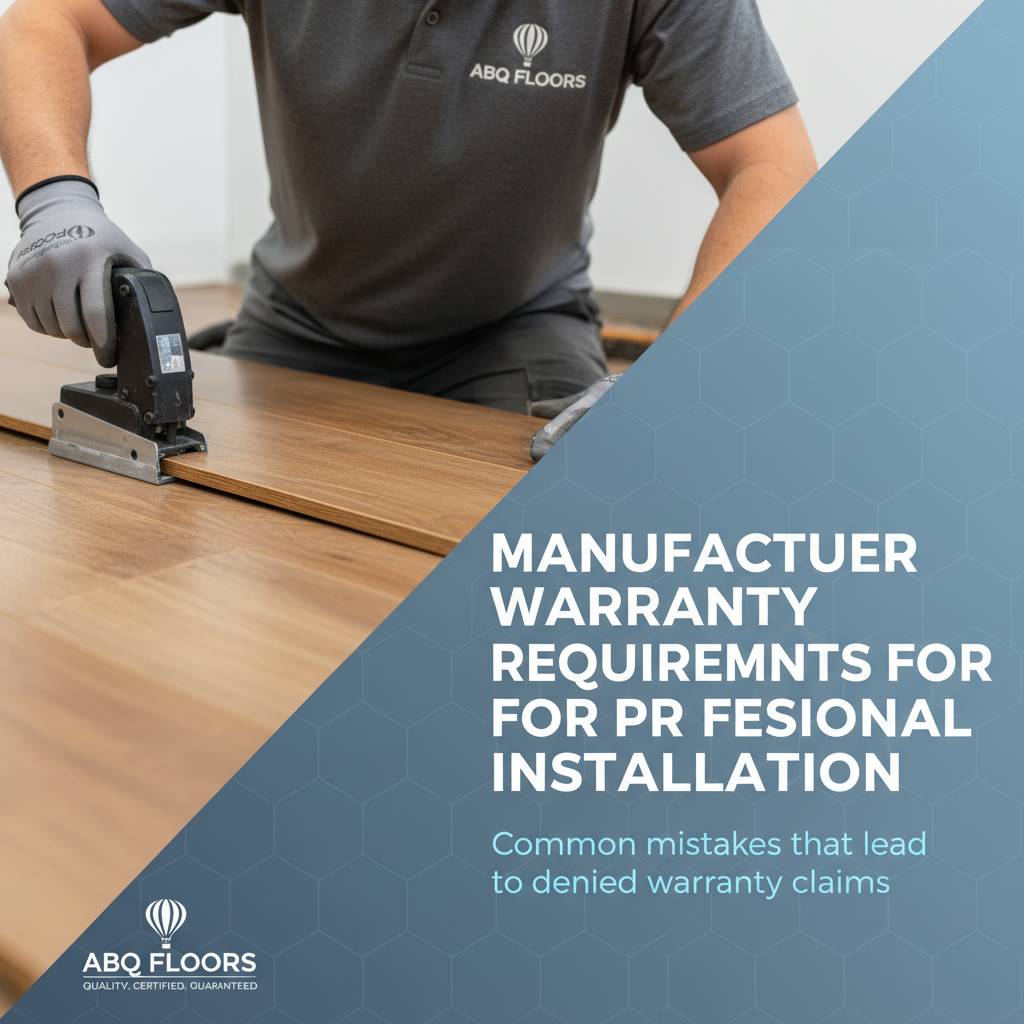 One of the most frequent errors is inadequate moisture testing or ignoring test results. Even small deviations from manufacturer-specified moisture limits can cause adhesive breakdown, mold growth, or warping, leading to claims that the manufacturer may deny. Another mistake is skipping the acclimation period; materials that are not conditioned to the jobsite environment can expand or contract excessively once installed, causing visible flaws.
Using unapproved adhesives, fasteners, or underlayment is another common cause of denial. Manufacturers choose compatible components to ensure chemical compatibility and performance; substitutes can create chemical reactions, adhesive failure, or long-term degradation that the warranty does not cover. Finally, failing to document the installation with photos, signed reports, and test results leaves you without the evidence a manufacturer needs to honor a claim.
 National Carpet Installation systematically follows manufacturer guidelines and offers documented proof of every installation step. Our teams use manufacturer-approved materials, conduct and record moisture and environmental tests, and maintain a photographic timeline from substrate preparation through final inspection. When appropriate, we use certified crew members who have completed product-specific training to ensure installation techniques are current with manufacturer expectations.
We also maintain transparent records for our clients. Each job includes a documentation packet that lists product SKUs, batch numbers, test reports, a signed installation checklist, and photos of critical stages. If a claim is necessary, these records allow the manufacturer to quickly verify that the product was installed correctly, increasing the chance the claim will be approved. In cases where a manufacturer requires notification prior to installation or approval of deviations, National Carpet Installation handles communication and gets confirmation in writing.
Our crews are trained to flag conditions that might jeopardize a warranty and to request manufacturer direction when needed. NCI might visit complex projects personally to consult on substrate remediation or tricky transitions. This proactive approach avoids many common pitfalls and gives owners confidence that their warranty rights are being preserved from day one of the project.

| Common Requirement | What Manufacturers Expect | How National Carpet Installation Complies |
|---|---|---|
| Acclimation | Specified time in jobsite climate before installation | We track arrival and lay dates; record ambient conditions and material temperatures. |
| Moisture Testing | Use approved test methods and document results within tolerance | We perform manufacturer-recommended tests and include copies in the job packet. |
| Approved Materials | Use specific adhesives, sealants, and underlayments | We source only manufacturer-approved components and list them on invoices. |
| Certified Installer | Installation by an approved or trained professional | Our crews complete product training; certifications are available on request. |
A recent project involved engineered hardwood installed over a slab where initial moisture tests exceeded manufacturer limits. Rather than proceed, National Carpet Installation recommended remediation: a vapor mitigation system followed by retesting. We documented each step and delayed installation until the manufacturer's tolerance was met. Months later when a minor finish issue appeared, the manufacturer accepted coverage because our documentation demonstrated compliance with all installation requirements.
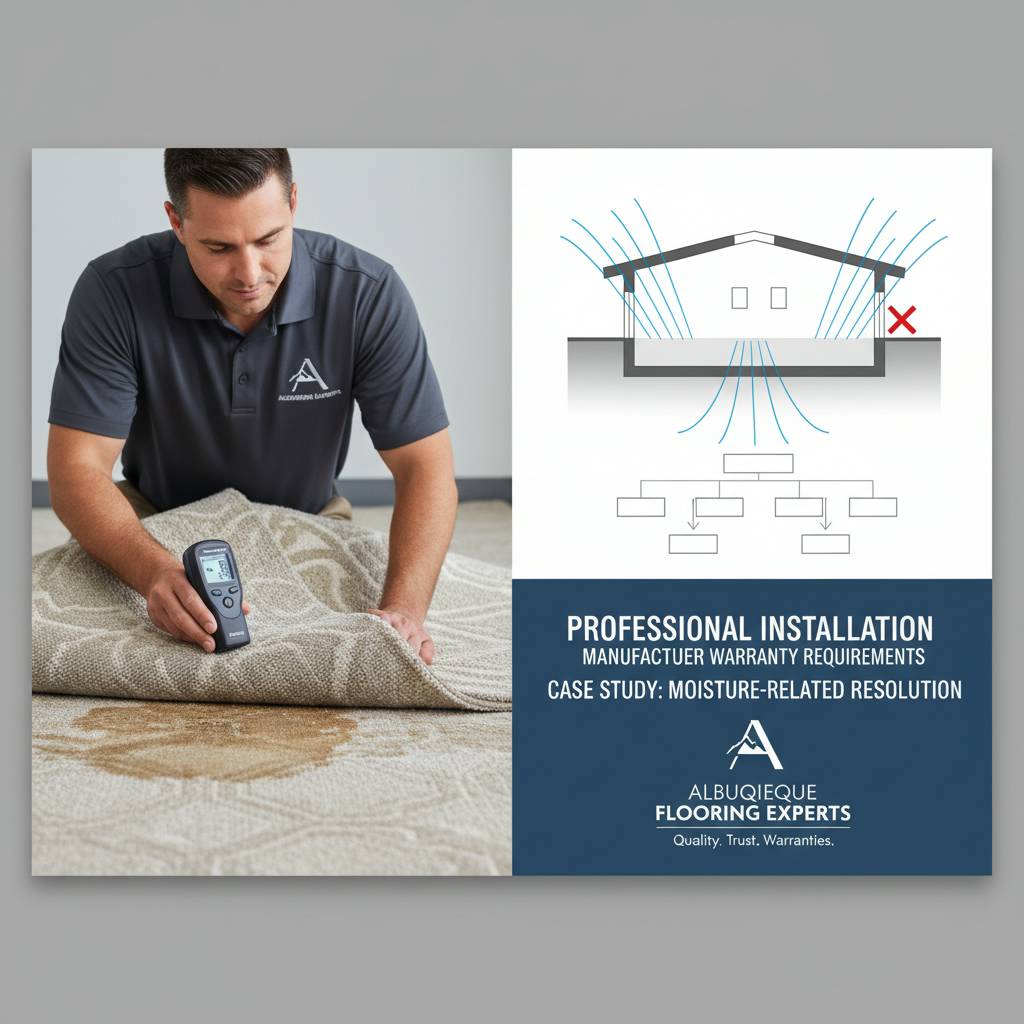
This example underscores why it is often more cost-effective to address site issues proactively than to face a denied claim. The extra time and expense for remediation and proper testing upfront protected the client from a much larger liability later and preserved the manufacturer's warranty, demonstrating the tangible value of following manufacturer processes precisely.

Not all do, but many higher-end manufacturers or those offering extensive warranties do require professional installation to validate their warranty. Always review the warranty document before purchase. If you are uncertain, ask the retailer or contact National Carpet Installation to verify installation requirements for your chosen product.
Keep the purchase receipt, warranty paperwork, the signed installation checklist, moisture test reports, photos taken during installation, and any correspondence with the manufacturer. These documents form the backbone of a future claim and help demonstrate that manufacturer warranty requirements for professional installation were met.
Some warranties are transferable and others are not. Transfer conditions often require notification to the manufacturer and may include a fee or a time limit. If transferability is important to you, confirm before purchase and ensure the initial installation complies with manufacturer requirements to avoid complications at resale.
 If you are planning a project, request the manufacturer's warranty and installation instructions prior to ordering materials. Share those documents with your installer so expectations are aligned. If you already have a product selected, contacting National Carpet Installation early lets our team verify installation requirements, discuss any site remediation that may be required, and schedule work in a way that preserves warranty eligibility.
If you would like help interpreting a warranty, need a pre-installation inspection, or want to ensure your installation will meet manufacturer requirements, we are available to assist. We document our work thoroughly and will provide the records manufacturers typically require to support warranty claims.
Contact National Carpet Installation today to confirm installation requirements for your flooring project. Call 505-555-7733 to schedule an inspection or to discuss manufacturer warranty requirements for professional installation in detail.
We look forward to helping you protect your investment-call 505-555-7733 or request a consultation so we can ensure your installation complies with all manufacturer requirements and is documented appropriately for any future warranty needs.