Carpet warranties protect consumers from defects in materials and workmanship, but those protections often depend on proper installation. Understanding how poor installation affects carpet warranty is essential for homeowners, property managers, and contractors. This page explains the most common installation mistakes, how manufacturers interpret warranty exclusions, and practical steps to avoid costly disputes. National Carpet Installation brings certified installations and documentation that can preserve coverage and reduce the risk of denial.
Manufacturers issue warranties to cover specific types of failures, such as pile loss, premature wear, or manufacturing defects. However, many warranties include explicit clauses stating that coverage is void if improper installation, substandard site conditions, or noncompliant materials contributed to the problem. For this reason, even a legitimate material defect can be denied if the installation did not follow the manufacturer's guidelines.
Beyond contractual language, installation quality affects real-world performance. Issues like inadequate subfloor preparation, incorrect seam placement, or improper stretching can accelerate wear, create ripples, or allow moisture to damage fibers. When damage follows installation errors, warranty providers frequently attribute the failure to installation rather than to the product itself, leaving owners responsible for repairs or replacement.
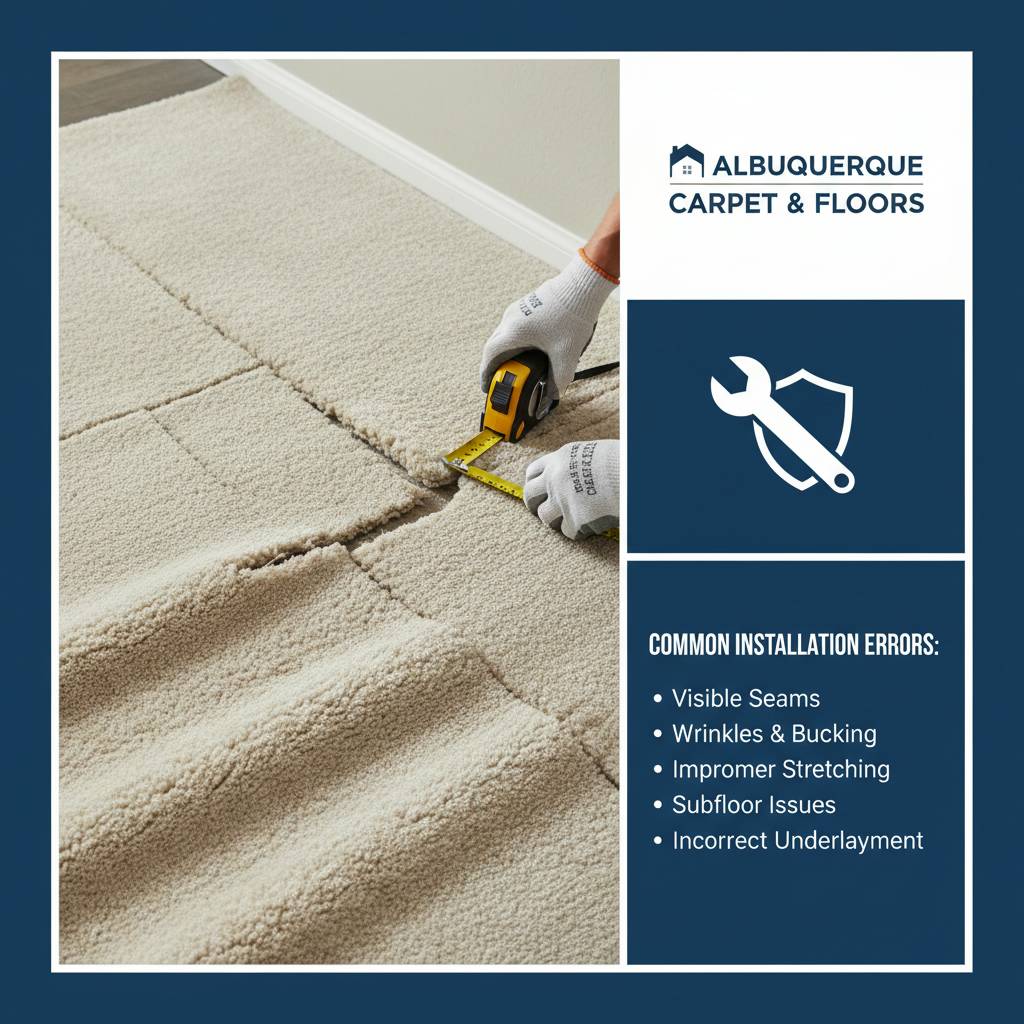 There are recurring patterns installers must avoid to preserve warranty eligibility. Below are the most frequent errors that manufacturers cite when denying claims, along with why they matter. Recognizing these problems before or immediately after installation helps you document concerns and pursue remedies with both installer and manufacturer.
Subfloors that are uneven, contaminated with adhesives or paint, or insufficiently dry can compromise carpet adhesives, tack strips, and backing systems. Manufacturers typically require specific moisture levels and flatness tolerances; failure to meet those specifications can be documented as an installation-caused failure rather than a product defect.
Carpet that is not properly stretched will develop wrinkles, ripples, and accelerated wear in traffic areas. Improper seam alignment or inadequate seaming techniques can lead to visible separations and fraying. Because these are installation-dependent issues, warranties commonly exclude them when caused by inadequate stretching tools or inexperienced seam work.
Manufacturers often list approved adhesives, glues, and underlayments. Using incompatible products can chemically react with the carpet backing or alter cushioning properties, producing adhesive stains, delamination, or rapid pile wear. These problems are typically labeled installation-related and excluded from coverage.
Carpet and underlay must be acclimated to the room temperature and humidity before installation. Installing materials in extreme cold or high-moisture conditions can cause shrinkage, seam gaps, or curling once conditions normalize. Warranties frequently require acclimation and specify acceptable temperature ranges; failing to comply can void claims.
Not all warranty exclusions are phrased the same way, but most manufacturers make a clear distinction between manufacturing defects and problems arising from installation, maintenance, or environmental conditions. Common contractual language includes terms like installation-related damage, improper maintenance, and failure to follow manufacturer's guidelines. Reading the warranty before installation is essential to understand these distinctions.
Manufacturers also often require installation by certified or qualified professionals to maintain full coverage. This requirement is not merely a suggestion; it can be a condition precedent to filing a claim. If a warranty specifies certified installers and you hire an uncertified contractor, that alone can be grounds for claim denial-even when the carpet itself failed in a way that appears unrelated to installation.
 Before the installer leaves, and again during the warranty period, take time to inspect the installation for early signs of failure. Documenting issues promptly and communicating with your installer can preserve options for remedial action. Below is a practical checklist you can use to assess whether installation errors might be present.
If you find one or more of these signs, take dated photos and notify the installer and the manufacturer in writing. Many manufacturers have formal claim procedures and timelines; missing those windows can be another reason for denial.
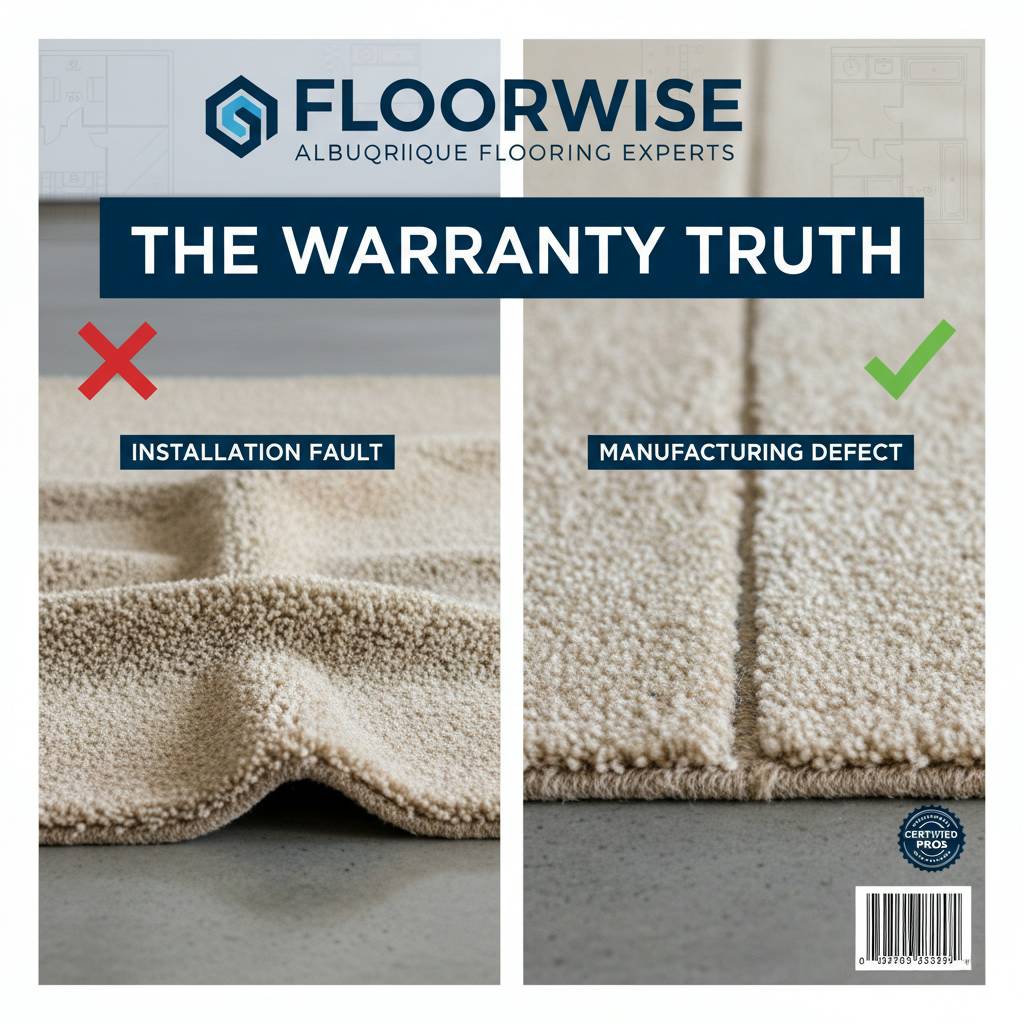 Understanding the difference between an installation fault and a manufacturing defect is easier with examples. A manufacturing defect might be a batch of carpet with uneven dyeing or premature fiber breakage across multiple rooms. An installation fault is something like incorrect seam placement causing visible joins where the manufacturer's recommended pattern should have prevented them.
| Error or Symptom | Likely Cause | Warranty Outcome |
|---|---|---|
| Wrinkling and buckling shortly after installation | Insufficient stretching or wrong tack strip placement | Typically excluded as installation-related |
| Bleeding adhesive stains through backing | Use of incompatible adhesive | Often excluded; installer liable |
| Even color fade across an entire room | Manufacturing dye inconsistency or poor fiber quality | Potentially covered as material defect |
| Mold or mildew under carpet after water event | Poor moisture barrier or prior subfloor moisture | May be excluded if installation failed to address moisture |
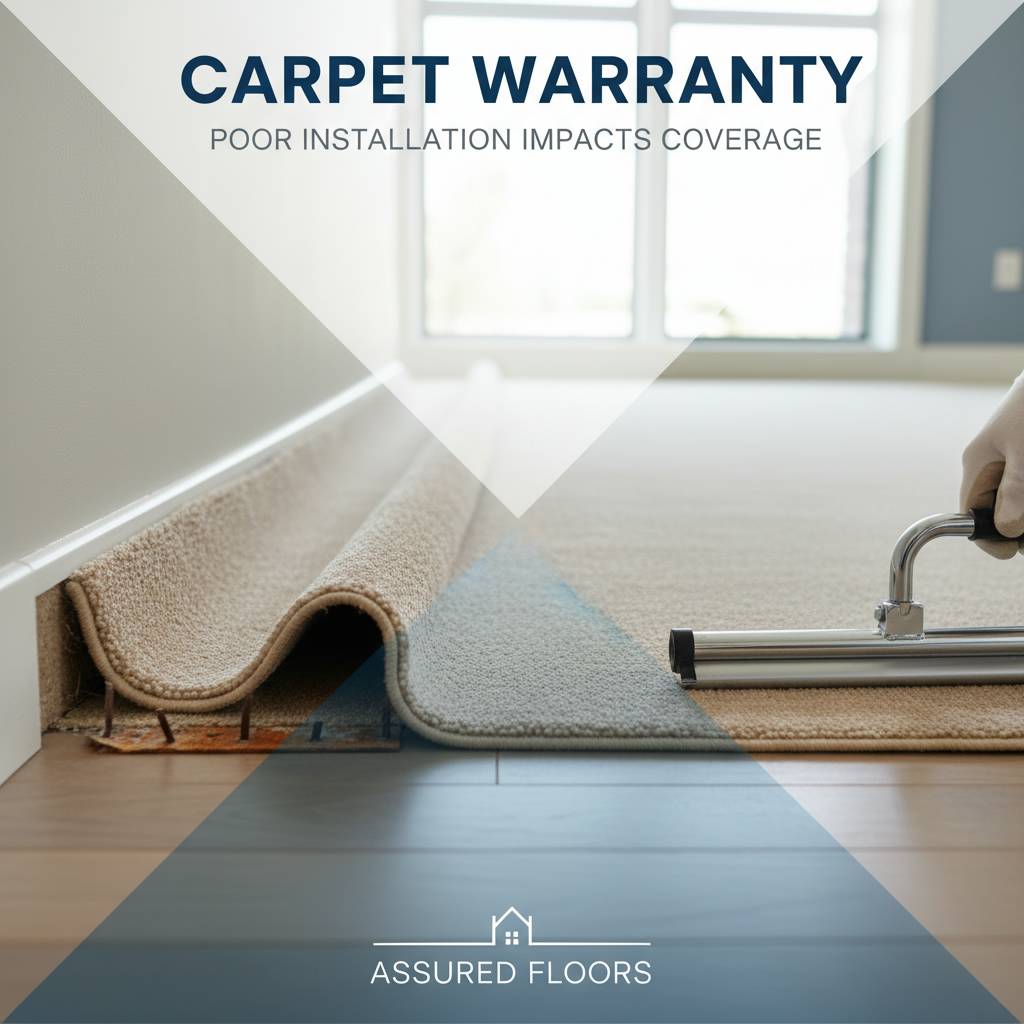 Preserving warranty coverage starts before the first seam is cut. Always verify the manufacturer's installation guidelines and request that your installer certify compliance in writing. A professional installer will document subfloor conditions, acclimation times, and materials used so there is a clear record should a warranty claim become necessary.
Additional best practices include ordering extra material for future repairs so dye lots match, using only manufacturer-recommended adhesives and pads, and scheduling installers who are certified by the carpet brand. Keep invoices, installation reports, and photographs for the warranty period-these documents are often decisive when resolving disputes.
Before installation, confirm you have a written estimate identifying the products, padding, adhesive, and any special instructions. On the day of installation, walk through the site with the installer to point out high-traffic areas, thresholds, or transitions that need special attention. Immediately after installation, do a thorough inspection and request a signed installation report for your records.
 National Carpet Installation emphasizes compliance with manufacturer guidelines at every step. That means verifying subfloor moisture and flatness, using approved adhesives and padding, properly acclimating materials, and employing certified stretching and seaming techniques. We also document the process so homeowners have the evidence necessary for any future warranty interaction.
When installers cut corners or skip documentation, homeowners often pay the price through denied claims. NCI and our team make it routine to follow and record every required step. That practice reduces the chance of denials and speeds resolution if an issue later arises. Our approach is designed to protect both the product and your investment.
When a warranty claim is denied because of installation errors, the owner is typically responsible for repair or replacement costs. Depending on the problem, corrective work can range from modest repairs like re-stretching ($75-$200 for small areas) to full replacement if the backing delaminates or adhesive damage is widespread. These costs are often substantially higher than the initial price difference between a certified installation and a cheaper, uncertified option.

Liability may fall on the installer if the fault is clearly documented as installation-related. That is why choosing a reputable, insured installer who provides written guarantees is important. If disputes arise, documented proofs such as before-and-after photos, installation reports, and invoices can determine whether the installer, the manufacturer, or the homeowner is financially responsible.
 Q: How soon should I inspect my carpet after installation? A: Inspect immediately after installation and again after the first 30 days. Many installation-related problems show up quickly, and early documentation helps support a claim or corrective action.
Q: Can a manufacturer require a specific installer? A: Yes. Many warranties either require or strongly recommend certified installers. Hiring someone who does not meet that requirement can be grounds for denial.
Q: What if my installer tells me an issue is normal? A: Always compare the installer's claim with the manufacturer's written installation instructions and warranty terms. If doubt remains, contact the manufacturer directly and request an inspection by an authorized representative.
A condominium association reported seam separation in a large lobby carpet three months after installation. Because the installer had completed a full pre-installation checklist, verified subfloor readings, and saved photos of seam alignment, the manufacturer quickly determined the cause was an isolated production flaw. The claim was approved, the faulty panels were replaced, and the association avoided a costly full replacement. This outcome highlights how proper documentation and professional installation can make a decisive difference.

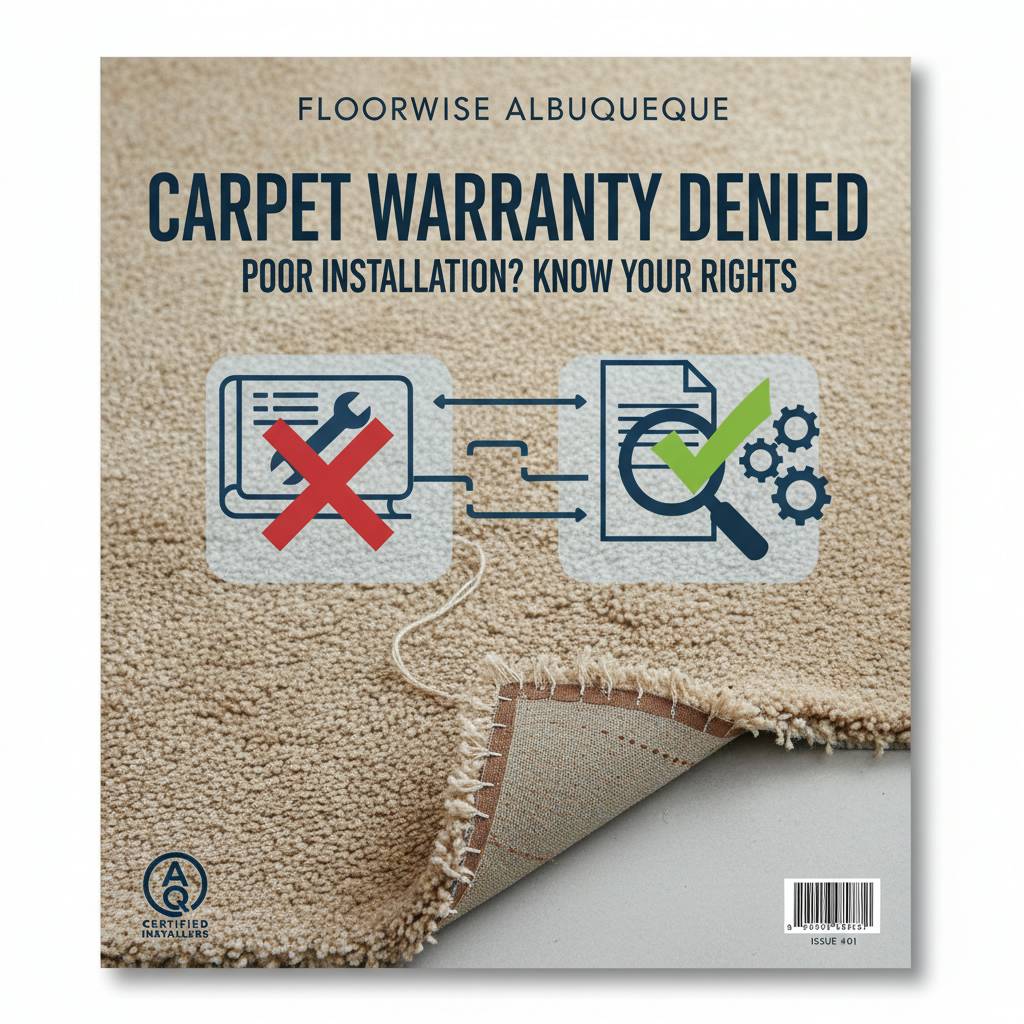 If a manufacturer denies coverage, follow these steps to protect your options: 1) Obtain the denial in writing and review the specific clause cited; 2) Gather installation reports, receipts, and photos; 3) Request a site inspection from both the manufacturer and your installer; 4) If the installer is responsible, ask for written confirmation and remediation; 5) If necessary, consult an independent flooring inspector to provide a neutral report. These actions create a clear record that can be used in negotiations or mediation.
Understanding how poor installation affects carpet warranty empowers you to make informed decisions when purchasing and installing carpet. Choosing a certified, experienced installer is one of the most effective ways to protect warranty coverage and avoid future costs. Documentation, communication, and adherence to manufacturer guidelines are the practical pillars of long-term protection for your flooring investment.

National Carpet Installation prioritizes correct installation and thorough documentation so homeowners and property managers can feel confident their warranties remain intact. We treat every installation as an investment in long-term performance and will walk you through manufacturer requirements and our own quality assurance process.
Ready to protect your carpet investment? Contact National Carpet Installation today for a consultation and written installation plan. Our certified teams will ensure your job complies with warranty terms and industry best practices. Call 505-555-7733 to schedule an inspection or request a detailed estimate.
We look forward to helping you avoid the avoidable. For expert installation that preserves coverage and peace of mind, reach out to National Carpet Installation at 505-555-7733.