Carpet is one of the most visible and tactile elements of a room, but it is also surprisingly vulnerable to poor installation. When installers lack training or rush the job, the result can be loose seams, buckling, premature wear, and stains that become permanent. This page explains the most common problems caused by inexperienced installers, how these problems develop, and what practical steps you can take to protect your investment.
National Carpet Installation has decades of experience correcting installation mistakes and extending carpet life through careful repair and professional reinstallation. If you suspect damage caused by inexperienced carpet installers, a timely inspection can save you significant replacement costs and restore both appearance and performance. Read on to learn how to spot trouble early and why experienced workmanship matters.
Some installation errors are obvious, such as wrinkling and visible seams, while others are subtler, like poor seam alignment that accelerates fiber breakdown. Frequent issues include stretching failures that create ripples, seams that open under stress, uneven transitions at doorways, and damage to backing or pad when adhesives are misapplied. These problems not only look bad but also allow dirt and moisture to work their way into the carpet structure.
Another serious category is improper patching and repair work performed as a quick fix. An inexperienced installer may use mismatched carpet pieces or incorrect tufting techniques that cause color shading, pile direction inconsistencies, or abrupt textural changes. Combined with poor subfloor preparation, these errors can reduce the functional life of your carpet by years and increase the overall cost of ownership.
In addition to aesthetic and structural damage, some installation mistakes create safety risks. Loose carpet edges and buckling present trip hazards, while excessive adhesive fumes from incorrectly applied glue can create uncomfortable indoor air quality for occupants. Understanding these common types of damage helps homeowners and property managers prioritize inspections and choose corrective actions that restore both safety and value.
 Many issues originate from shortcuts taken during the preparation phase. Skipping or improperly installing tack strips, neglecting to acclimate carpet to room temperature, or failing to remove old padding can all compromise the finished installation. A properly prepared subfloor must be clean, dry, and level; when installers skip these steps, the carpet cannot be stretched or anchored correctly and will fail prematurely.
Seams are a high-skill element of carpet installation that require accurate cutting, matching of pile direction, and correct use of seam tape and pressure. Inexperienced installers may leave seams too loose or misaligned, which can open under normal foot traffic. Stretching mistakes-either under-stretching or over-stretching-lead to ripples or tension lines that eventually relax into permanent deformations.
Using the wrong adhesive or applying it unevenly can glue down the backing in inconsistent ways, creating hard spots or areas prone to bubbling. Similarly, installing an incompatible or low-quality padding reduces shock absorption and speeds fiber crushing. Sometimes installers use too much adhesive near seams to compensate for poor technique, which can leave residue that attracts dirt and makes cleaning difficult.
Doorway transitions and edge trimming require precise measurement and trimming tools. Sloppy cuts lead to frayed edges, and poorly secured transitions allow edges to lift. Installers who don't install transition strips or who cut carpet too close to the wall can create gaps that let dirt and moisture infiltrate the edges, promoting edge wear and mold risk in damp conditions.
Early detection is the best defense against escalating repair costs. Look for signs such as visible seams opening, ripples across the floor, uneven wear patterns that don't match traffic flow, and sudden changes in pile direction or shading. Use a simple checklist after any recent installation: check seams, walk the full carpet area to feel for soft spots or bumps, and inspect transitions at doorways and stairs.
Smaller issues often precede larger failures. If you notice a seam beginning to separate or a small wrinkle forming, treat it as a priority. Moisture stains near edges or under furniture could indicate padding problems or adhesive wicking, and should be evaluated promptly to prevent bacterial growth and irreversible backing deterioration. Documenting these early signs with photos also helps technicians diagnose the root cause faster during an inspection.
If your building is multi-unit or commercial, schedule periodic inspections after new installations and during seasonal humidity changes. Temperature and humidity affect tension in carpet fibers and can reveal weak installations. For homeowners, a single professional inspection within a few months of installation can confirm that the job was done correctly and catch problems while repairs remain straightforward and economical.
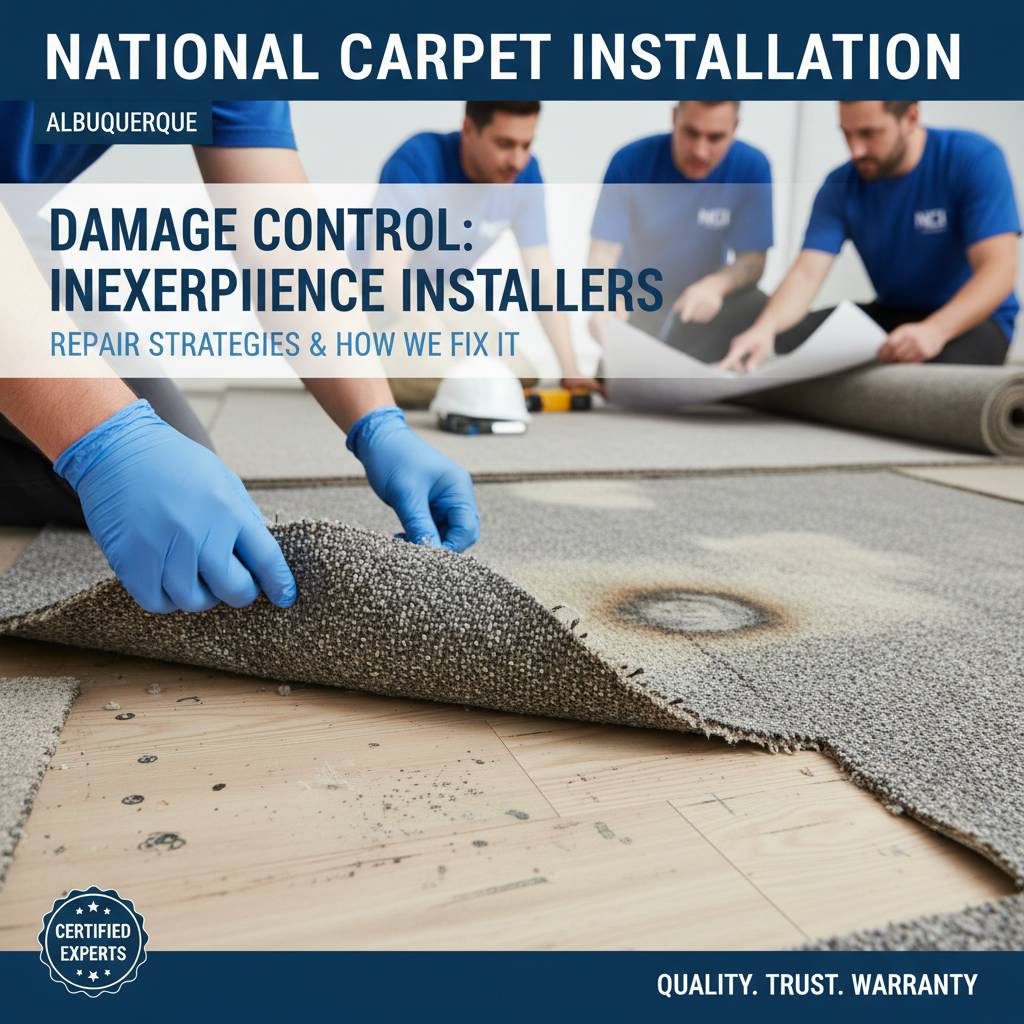 Repair approaches depend on the type and extent of the damage. Small seam repairs, localized restretching, and patching can restore function and appearance when performed by experienced technicians. For severe cases-such as extensive backing breakdown or large buckling-partial replacement or complete reinstallation may be the most cost-effective long-term solution. National Carpet Installation prioritizes minimal invasiveness while ensuring durability.
When you call for an inspection, our technicians evaluate subfloor conditions, padding quality, seam integrity, and adhesive application. We document recommended repairs and present options with clear cost estimates and timelines. Our goal is to fix the root cause, not just the symptom, so we commonly combine procedures like re-tacking, professional power stretching, and seam re-sealing to ensure the repair stands up to regular use.
| Typical Repair | When It Helps | Estimated Price Range |
|---|---|---|
| Seam re-taping and resealing | Open or misaligned seams | $75-$200 |
| Localized restretch and re-tack | Minor ripples and loose areas | $150-$400 |
| Patch repair with color matching | Small damaged or stained sections | $120-$350 |
| Padding replacement and full re-stretch | Worn padding or extensive buckling | $300-$900 |
| Full reinstallation | Severe backing failure or widespread damage | $800-$2,500 |
These ranges are general guidelines; actual pricing depends on carpet type, room size, and local labor costs. National Carpet Installation provides a transparent written estimate after a no-obligation inspection so you know what to expect. Our repairs always use appropriate adhesives, factory-grade seam tape, and padding replacements when necessary to prevent future failures.
 Preventing damage starts with hiring a qualified installer. Look for certified technicians who can provide references, proof of training, and a portfolio of completed projects. Ask about their approach to subfloor preparation, whether they measure for proper seam placement, and what warranty they offer on both workmanship and materials. Clear communication about your expectations and traffic patterns in the room helps installers plan correctly.
Homeowners should also verify that the installer follows manufacturer guidelines for acclimation and installation. Carpet manufacturers often require specific conditions and licensed methods for warranties to remain valid; inexperienced installers who ignore these rules can void your warranty and leave you responsible for premature failures. Ask about the use of power-stretchers, proper tack strip installation, and how transitions will be handled at thresholds.
Investing slightly more in a reputable installer upfront typically pays off through longer carpet life, fewer repairs, and preserved warranty coverage. If you inherit an installation done by someone else and suspect problems, schedule an expert evaluation rather than waiting for visible failure.
 A recent client called because a newly installed living room developed ripples and seam openings within a month. The initial installer had skipped padding replacement and applied seam tape unevenly. National Carpet Installation assessed the subfloor, removed the remaining tack strips, replaced the pad with a higher density underlay appropriate for the carpet pile, and professionally power-stretched and resealed the seams. The room was returned to a safe, flat surface with improved comfort and appearance.
In another example, a rental property with recurring edge wear turned out to have been trimmed too close to baseboards, leaving threads exposed. Our technicians corrected the transition with proper molding and re-anchored the edges. These targeted repairs cost far less than a full replacement and prevented tenant injuries and liability issues for the landlord.
These examples show how addressing the root cause-not just cosmetic symptoms-restores both function and lifespan. With careful inspection and honest recommendations, National Carpet Installation helps owners choose the most sensible repair path rather than upselling unnecessary replacements.
 Q: How soon should I call a professional after noticing a problem? A: Call as soon as you identify seam separation, buckling, or unusual wear. Early intervention often allows for simple restretching or seam repair rather than more expensive reinstallation. Acting quickly can also prevent dirt and moisture from accelerating backing deterioration.
Q: Can all damage caused by inexperienced carpet installers be repaired? A: Most installation-related issues can be repaired if caught early. Severe backing failure, extreme adhesive contamination, or widespread pad breakdown may require partial or full replacement. A professional inspection will clarify options and cost-effective solutions.
Q: Does National Carpet Installation offer warranties on repair work? A: Yes, we stand behind our workmanship. Our repairs and reinstallations come with a workmanship warranty tailored to the scope of the job. We also advise clients on materials and practices that preserve manufacturer warranties whenever possible.
If you suspect damage caused by inexperienced carpet installers, don't wait until the problem worsens. A timely evaluation can reveal whether a simple repair will do or whether a more comprehensive reinstallation is needed to protect your investment. Our technicians combine technical skill with clear, written recommendations so you can make informed choices about repair or replacement.

Call National Carpet Installation today to schedule an inspection and receive a transparent estimate. We'll document our findings, explain the recommended remedies, and give you options that balance cost and longevity. Reach us at 505-555-7733-we're ready to help restore your carpet's appearance and performance.
Thank you for considering National Carpet Installation. We look forward to assessing your carpet, correcting installation errors, and helping you avoid the ongoing costs that follow inexperienced workmanship. Contact us at 505-555-7733 to book your inspection and get a repair estimate.