Accurate budgeting prevents surprise expenses and ensures project success. We outline cost components, timelines, and financing options so you can plan effectively. This approach helps homeowners compare bids and choose services that deliver value. National Carpet Installation provides transparent quotes and flexible scheduling to fit your budget. Call 505-555-7733 to get a detailed estimate today and learn how smart planning for carpeting can save time, stress, and money.
Whether you're replacing worn carpet in a high-traffic hallway or installing plush new flooring throughout a home, clear numbers and realistic timelines are the foundation of a successful project. This guide focuses on budgeting for professional carpet installation, explaining the common cost drivers, reasonable price ranges, and practical tips to avoid unexpected charges. Use the information here to assess bids, ask the right questions, and choose a contractor who balances quality and value.
When budgeting for professional carpet installation, break the total estimate into core components: materials, labor, preparatory work, and additional services. Materials include the carpet itself and underpadding, while labor covers measuring, seam work, stretching, and cleanup. Preparatory work might involve removing old flooring, leveling subfloors, or addressing moisture and mold. Additional services can include furniture moving, stair installations, and disposal fees. Knowing these categories helps you compare quotes line by line.
Costs vary widely by region and the choices you make. Typical ranges you might see are: carpet materials $1.50-$8.00 per sq ft; underpad $0.50-$1.50 per sq ft; labor $0.80-$2.25 per sq ft; removal/disposal $50-$200 flat; and furniture moving $50-$250. These are ballpark figures to guide expectations-your final quote will depend on the room layout, access, and any prep work required.
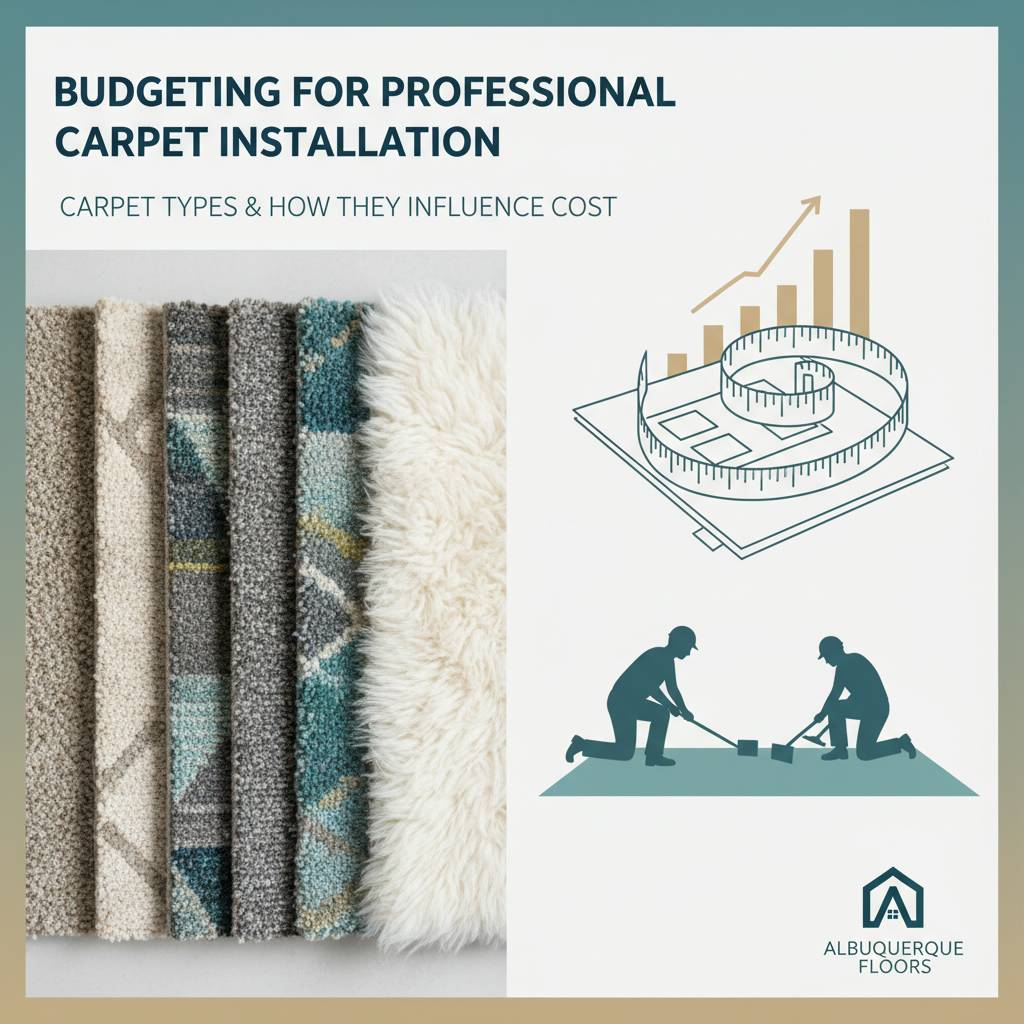 Choosing the right carpet fiber and construction is one of the most consequential budget decisions. Some fibers are inexpensive but wear faster, while premium options cost more up front and last longer. To make informed choices, consider both initial cost and expected lifespan, especially in high-traffic areas. Below is a quick comparison to help you weigh options against your budget and usage needs.
| Carpet Type | Typical Material Cost per sq ft | Best Use |
|---|---|---|
| Berber | $1.50-$3.50 | High-traffic areas, casual spaces |
| Nylon | $2.50-$6.00 | Durable, stain-resistant, good for family homes |
| Polyester | $1.50-$4.00 | Budget-friendly, colorfast, less resilient under heavy wear |
| Triexta | $2.50-$5.50 | Stain-resistant, good balance of comfort and durability |
| Wool | $5.00-$15.00 | Luxury, natural fiber, excellent longevity and feel |
Think of carpet choice as an investment: spending a bit more on a durable fiber and a quality pad can extend service life and reduce replacement frequency. If resale value matters, mid- to high-range options often yield better returns and more positive impressions from buyers or appraisers.
Accurate timelines are essential to avoid surprise costs related to storage, temporary living arrangements, or extended labor. A typical single-room installation takes a few hours to a day, while whole-house jobs can span several days depending on square footage, layout complexity, and prep work. Agree on start and finish dates up front and confirm whether the installer schedules multiple crews or one team working room by room.
Factors that commonly extend timelines include: unforeseen subfloor repairs, moisture remediation, or complex stairs and transitions. Ask your contractor how they handle surprises-do they provide written change orders and advance approvals before charging additional fees? A clear process prevents last-minute billing disputes and keeps the project on track.
To minimize disruption, plan room-by-room sequencing and identify areas where furniture can be consolidated. If you need to vacate a space, factor that into your schedule. National Carpet Installation offers flexible scheduling to help homeowners choose times that reduce stress and match lifestyle needs-call 505-555-7733 for options.
 Most reputable flooring companies accept several payment methods and may offer financing for larger projects. Options include credit cards, personal loans, in-house financing plans, and sometimes deferred-interest promotions. When evaluating financing, focus on total repayment costs rather than single monthly payments-compare interest rates, fees, and balloon payments. Read the fine print for prepayment penalties and late fees.
Payment best practices help protect homeowners and encourage proper project completion. Common guidelines include: avoid paying full price up front, request a written contract with a clear scope of work and payment schedule, and retain a final payment until you inspect and approve the finished job. A typical payment schedule might be 25% deposit, 50% during progress, and final 25% upon satisfactory completion, but exact terms vary by contractor and project size.
If you plan to finance through a third party, coordinate approvals early so installation dates aren't delayed. Keep all receipts and contracts in one folder for warranty and tax purposes-some homeowners can claim improvements on taxes or use home equity lines to finance longer-term projects.
 Comparing bids effectively requires more than picking the lowest number. Evaluate contractors on transparency, included services, warranty terms, and examples of past work. A detailed bid should itemize materials, labor, padding, seam counts, and any allowances for removals or repairs. Ask for references and photos of similar installations to gauge craftsmanship. If warranties are offered, check whether they cover materials only, labor, or both and for what duration.
When bids vary significantly, request an explanation for the difference. A low bid could omit necessary prep work or use cheaper padding that shortens carpet life. Conversely, a high bid might include premium services such as tackless strips, high-density padding, and custom transitions-items that add value but also cost. Clear communication and a line-by-line review prevent surprises and ensure you get the right balance of price and quality.
 Surprise expenses often arise from overlooked prep work or access issues. Before installation, inspect closets, baseboards, and transitions; identify hidden thresholds or carpeting on stairs that require extra labor. Ask your installer to do a pre-install walk-through so both parties understand the scope and potential obstacles. This proactive approach reduces the chance of on-site surprises that increase costs and delay completion.
Consider a contingency budget of 10%-20% for unforeseen expenses like subfloor repairs or moisture mitigation. Having funds set aside avoids stressful decisions mid-project and ensures quality repairs aren't skipped to save a few dollars. Keep records of all change orders and approvals to maintain clarity about additional charges and the reasons behind them.
Small decisions made early can have a big financial impact. For example, upgrading to a better pad is inexpensive relative to the cost of reinstalling a worn carpet prematurely. Similarly, addressing humidity or water intrusion before installation protects your investment. Open communication with your installer-asking about recommended upgrades and potential risks-helps you make cost-effective choices that minimize long-term expense.

Measure each room's length and width and multiply to get square footage, then add for closets and transition areas. Many installers round up to account for waste from pattern matching or seams, so expect a modest increase over your raw measurements. When in doubt, have a professional measurement to avoid underestimating material needs.
Removing furniture and old carpeting can reduce labor costs, but only do tasks you can complete cleanly and safely. Improper subfloor removal or leaving staples and debris behind can increase labor time and void warranties. Talk to your installer about which prep tasks are appropriate for DIY and which should be left to professionals.
Warranties vary: manufacturers typically warranty materials for issues like fiber failure and stain resistance, while contractors may offer workmanship warranties covering seams and installation errors. Confirm the length and coverage of both types and understand any maintenance requirements to keep warranties valid.
Budgeting for professional carpet installation is about clarity and informed choices. Break estimates into material, labor, and contingency categories; compare bids line by line; and prioritize long-term value over the lowest upfront price. Thoughtful planning reduces the chance of unexpected charges and helps you enjoy the full benefits of a well-installed carpet for years to come.
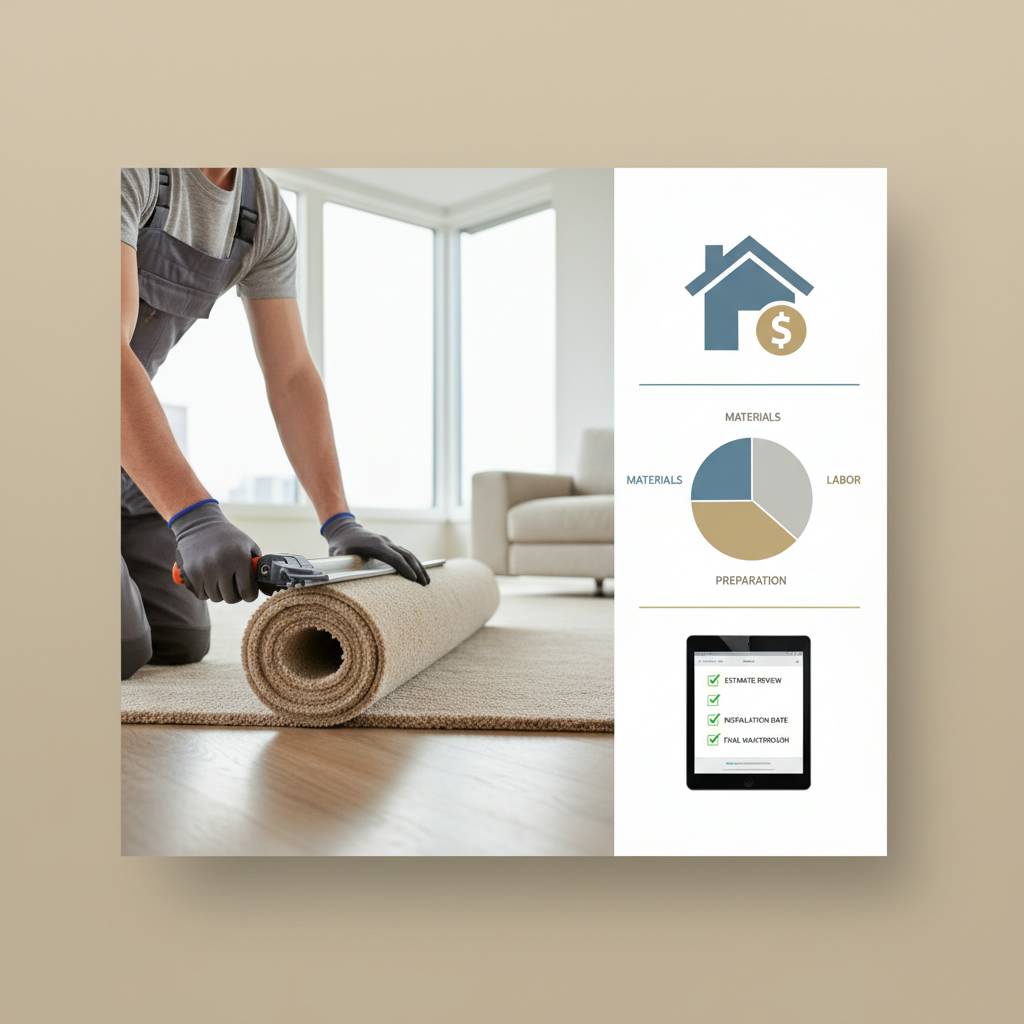
If you'd like a professional estimate, National Carpet Installation offers detailed, transparent quotes and flexible scheduling to match your needs. Ask for a written breakdown and recommendations tailored to your home's traffic patterns and design goals. If you prefer a single point of contact, request NCI when you call to streamline communication and scheduling.
Ready to get started? Contact National Carpet Installation at 505-555-7733 for a no-obligation consultation and a clear, itemized estimate. Our team will walk you through options, timelines, and financing so you can plan with confidence.
Call 505-555-7733 today to schedule your in-home estimate and take the first step toward a smoother, budgeted carpet installation.