
Cost Of Delaying Roof Repairs
Many owners underestimate the cost of delaying roof repairs. Plastic Card ID has seen small issues grow into major failures. Call 800.835.7919 before minor damage expands. This piece will quantify common cost escalations. Readers will learn how timely action saves money.
Introduction: Why small roof problems become expensive
Homeowners often assume a few missing shingles or a slow drip is harmless. In reality, those are early warnings. At Plastic Card ID, our crews routinely find that the earliest visible problems are the least expensive to address. Ignoring a minor issue may save a few hundred dollars in the short term, but the long-term consequences drive costs far higher.
Understanding the cost of delaying roof repairs requires looking beyond the obvious: water migration, rot, and compromised flashing create cascades of damage. This guide explains common escalation pathways, gives concrete cost comparisons, and outlines practical steps to minimize expense. If you spot small defects, contact Plastic Card ID at 800.835.7919-acting early preserves both your budget and your home.
How common roof problems escalate
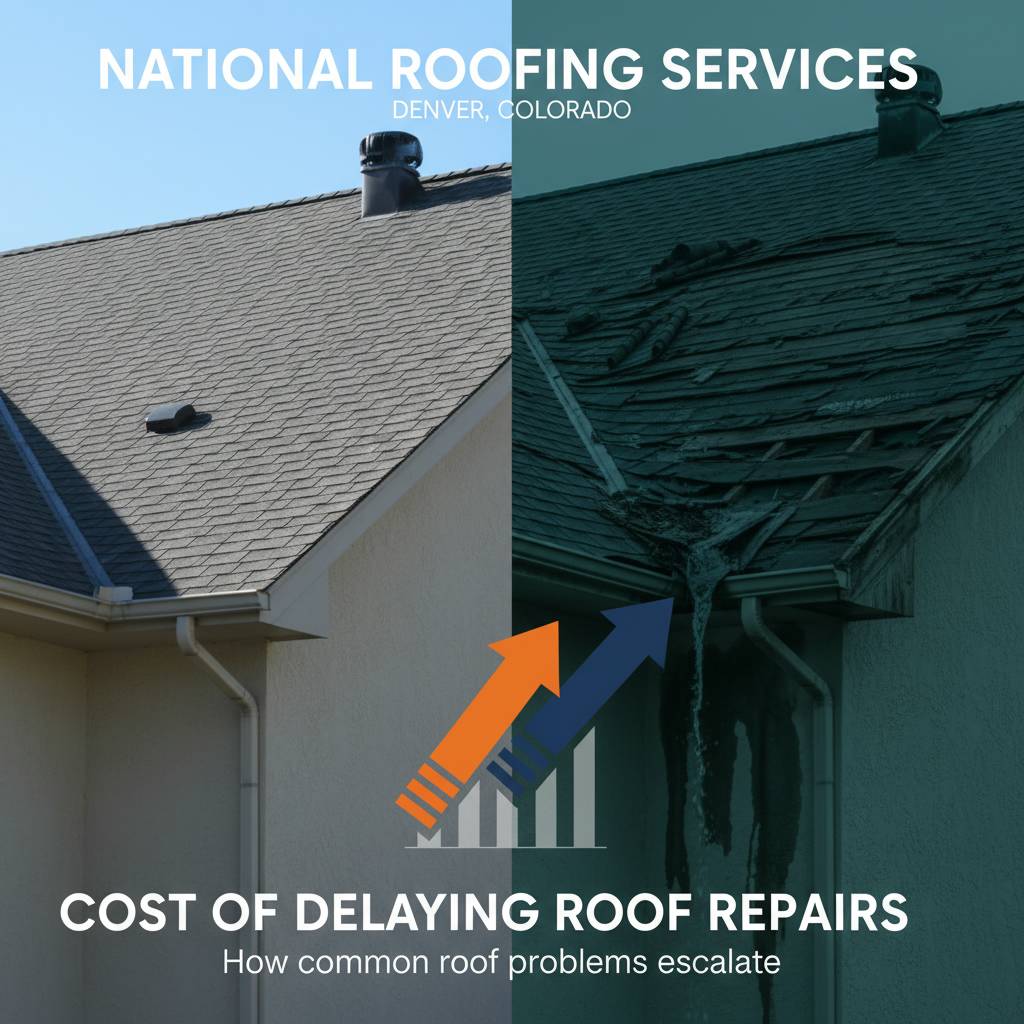 Most roof failures follow predictable patterns. A missing shingle exposes the underlayment to sun and rain; a small leak stains a ceiling and encourages mold; compromised flashing allows water into wall cavities where it works unseen for months. Each step increases the labor, materials, and specialty trades required to restore the home, multiplying the final bill.
Several factors determine how quickly a problem escalates: whether the attic ventilation is adequate, roof pitch, recent weather, and the original installation quality. Even a seemingly trivial issue can become a structural problem if left unattended through a single winter season. Economically, the homeowner shifts from paying a small maintenance fee to financing a major repair or replacement.
Typical progression from minor to major
- Missing or damaged shingles exposure of underlayment, increased UV and water damage.
- Small leak attic insulation becomes saturated; mold begins to form.
- Extended moisture exposure roof decking rot and structural compromise.
- Decking and framing repair interior restoration (drywall, paint, flooring) required.
Quantifying cost escalations: realistic price comparisons
To make decisions confidently, homeowners need numbers. Below is a representative set of examples comparing typical immediate repair amounts to costs after six months to two years of neglect. These are ranges and will vary with region, roof size, and material, but they illustrate how quickly expenses rise when repairs are postponed.
| Issue | Immediate repair (typical) | Delayed repair (6 months - 2 years) | Why it increases |
|---|---|---|---|
| Replace 5-10 shingles | $75-$200 | $300-$800 | Underlayment damage, additional loose shingles |
| Patch small roof leak | $150-$400 | $800-$2,500 | Mold remediation, insulation replacement |
| Replace underlayment and flashing | $300-$800 | $1,200-$4,000 | Decking repair required, flashing extends into walls |
| Partial decking replacement | $500-$1,500 | $2,500-$7,000 | Structural repairs, longer labor, specialty wood |
| Full roof replacement (as preventive vs emergency) | $5,000-$12,000 | $8,000-$25,000 | Emergency replacement, disposal, interior repair |
Those figures show common multipliers: a small fix may cost 1x to 3x the immediate price if delayed, while structural or full replacement work can exceed early repair costs by 2x or more. The difference is not just labor but also the scope of trades involved and the need to correct collateral damage inside the house.
Hidden and indirect costs of delay
Beyond direct repair bills, delaying roof work creates hidden expenses that are easy to overlook. Interior replacement costs for drywall, insulation, and finishes can surpass the original exterior repair price. Mold remediation and the health risks associated with prolonged exposure introduce medical and remediation costs. Additionally, prolonged leaks decrease energy efficiency and increase monthly utility bills due to wet insulation and compromised ventilation.
There are also financial risks to property value and insurance. Homes with documented water damage or deferred maintenance sell for less, and insurance carriers may deny claims if they determine damage resulted from neglect. The cumulative effect converts a small, budgetable maintenance expense into a multi-thousand-dollar financial burden and a potential liability when trying to sell or refinance.
- Health and safety: mold can trigger respiratory problems and require professional abatement.
- Energy loss: wet insulation can reduce R-value and raise heating and cooling costs.
- Insurance complications: denied claims or higher premiums after deferred maintenance.
- Property value decline: visible damage and repair history reduce marketability.
Timeline and risk factors: when a small problem becomes urgent
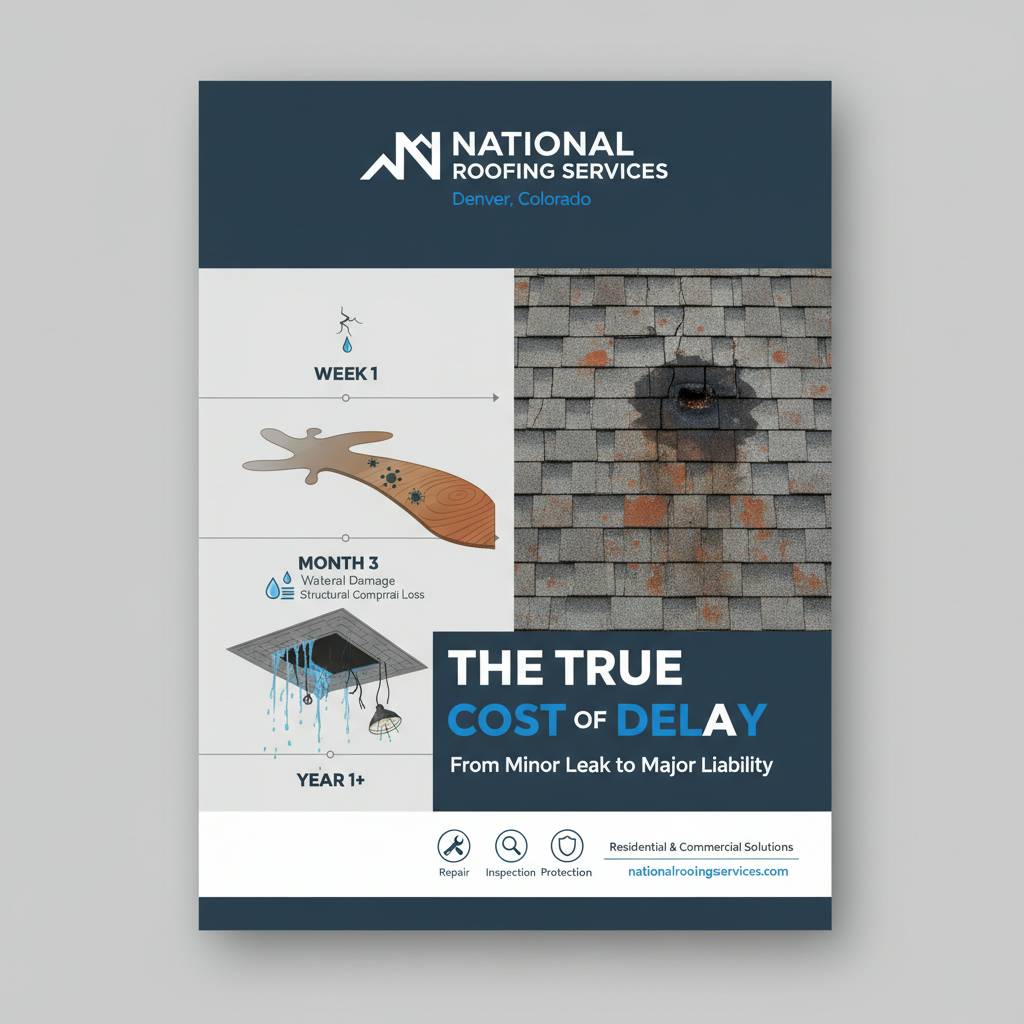 Time-to-failure depends on exposure and environment. In regions with heavy rain, snow, or high winds, a minor defect can turn into a significant leak within weeks. In milder climates, the same defect may take months or several seasons to cause structural failure. Regardless, each weather event presents an opportunity for a small problem to worsen quickly.
Roof type and materials
Different roof systems behave differently when damaged. Asphalt shingles can lose granules and become brittle under prolonged exposure; clay or concrete tiles may crack and allow water ingress under the underlayment. Low-slope and flat roofs are particularly vulnerable because water ponds and accelerates underlayment failure. Determine the roof material and inspect accordingly; preventive actions vary by system.
Climate and exposure
Homes near the coast, under heavy sun, or in areas with frequent storms face higher risk. UV exposure degrades materials over time, while freeze-thaw cycles cause cracks and loosen seals. When a roof shows small signs of wear in these climates, the window for inexpensive intervention is narrow. Acting promptly minimizes the chance that a single storm will trigger a widespread failure.
How timely action saves money: practical steps
Proactive measures reduce both the probability and cost of major repairs. Start with a seasonal roof check-looking for missing or curled shingles, damaged flashing, and clogged gutters. Document any defects with photos and notes. For anything beyond superficial wear, schedule a professional assessment. A qualified inspection typically costs far less than the secondary damage it helps avoid.
When hiring help, choose a contractor who provides a clear scope and written estimate. Ask about warranties for both materials and workmanship, and request references or examples of similar repairs. Consider preventive upgrades such as replacing worn flashing or improving attic ventilation, which often yield long-term savings by extending roof life and preventing recurring issues. PCID can help explain which upgrades deliver the best return in your area.
- Regular inspections: twice a year and after major storms.
- Quick repairs: address small leaks and flashing issues immediately.
- Improve ventilation and attic insulation to reduce moisture buildup.
- Keep gutters clear to prevent ponding and water backup under shingles.
Case studies: real-world examples of escalation
Case 1: A homeowner delayed replacing a patch of missing shingles after a fall storm. The initial cost would have been $150 to replace a few shingles and seal the underlayment. After two winters with intermittent leaks, the damage included rotted decking, saturated insulation, and mold. The eventual bill totaled $6,200 to replace decking, insulation, and finish repairs-over 40 times the initial cost.
Case 2: Another owner noticed a slow drip around a vent pipe and postponed repairs for six months. The immediate patch would have been $250. However, the delay allowed moisture to wick into the wall cavity, damaging siding and interior drywall. Remediation and repairs required $3,100, plus several weeks of inconvenience and a claim filed with the insurer that jeopardized renewal terms.
Frequently asked questions
How quickly should I act on a leaky roof?
Act as soon as you detect signs of a leak: stains, damp insulation, or visible daylight through the roof. Immediate inspection and temporary measures can prevent escalation. Even if a full repair must wait for scheduling, short-term protections are usually inexpensive and effective at limiting further damage.
Will an insurance policy cover delayed damage?
Insurance typically covers sudden and accidental damage but may deny claims where neglect or lack of maintenance contributed to the problem. Keeping records of inspections and timely repairs helps substantiate that you addressed issues responsibly. Speak to your insurer and document professional recommendations and completed work.
Is it cheaper to replace the entire roof rather than repair multiple spots?
That depends on age and overall condition. If the roof is near the end of its expected life and requires multiple area repairs, replacement can be a smarter investment. A reliable contractor will provide a cost-benefit analysis based on material condition and projected remaining lifespan, helping you choose the most economical path.
Final checklists and decision guide
Use this short checklist when evaluating whether to repair or replace: age of the roof, number of problem areas, attic and deck condition, presence of mold or rot, and recent storm history. If two or more items suggest systemic wear, replacement may be more cost-effective. If the issue is localized and the deck is sound, prompt repair is usually the best option.
- Inspect twice yearly and after big storms.
- Document and photograph issues immediately.
- Get a written estimate and recommended timeline from a trusted contractor.
- Weigh repair cost against remaining service life of the roof.
Closing and next steps
Delaying roof repairs is a false economy. The cost of delaying roof repairs compounds rapidly through collateral damage, health risks, and decreased property value. Plastic Card ID has seen straightforward maintenance turn into major reconstruction when owners waited. By addressing small problems early, you keep expenses predictable and protect the long-term integrity of your home.
If you have noticed a leak, missing shingles, or any roof concern, call Plastic Card ID today. Our team will provide a clear assessment, a fair estimate, and recommended next steps. Reach out at 800.835.7919 for prompt service and reliable advice.
Take action now-prevent a small inconvenience from becoming a large expense. Contact Plastic Card ID at 800.835.7919 to schedule an inspection or get a fast estimate.